01
Weakness or paralysis
Reduced movement or strength, on one or both sides of the body.
Traumatic brain injury rehabilitation at Cerebron treats the physical, motor, and functional effects of brain trauma, through a structured, patient-specific programme led personally by Dr. Shikha, an MPT in Neurological Sciences.
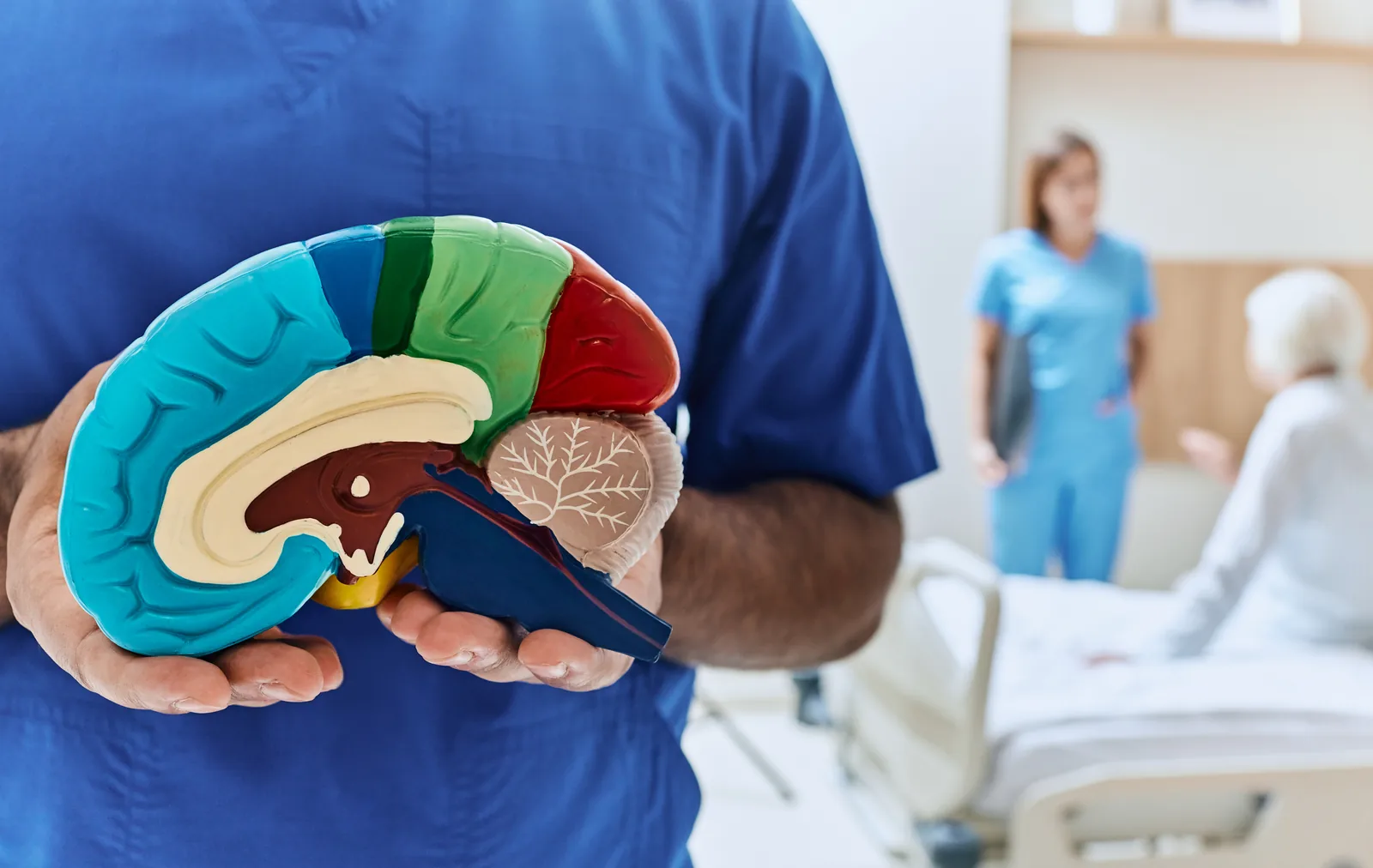
A traumatic brain injury happens when an external force, a fall, an accident, a blow to the head, damages the brain. Unlike a stroke, which affects a defined area, brain trauma can affect multiple regions, and its effects are often wide-ranging.
The impact varies enormously. It might affect movement, balance, and coordination. It might affect strength on one or both sides. It often affects fatigue, processing speed, and the ability to sustain physical activity. No two brain injuries are the same.
Cerebron's role is the physical and motor rehabilitation of brain injury, restoring movement, balance, strength, and functional independence, coordinating with other specialists where cognitive or speech needs are involved.
Brain injury rarely affects one thing. We assess and treat the physical picture in full.
Reduced movement or strength, on one or both sides of the body.
Unsteadiness, dizziness, and difficulty with controlled movement.
Altered gait, reduced endurance, reduced walking confidence.
Muscle tightness and stiffness that limits movement and comfort.
Trouble organising and executing purposeful movement.
Reduced stamina, a major and often underestimated effect of brain injury.
Cognitive, speech, and behavioural effects are addressed with relevant specialists where needed, so recovery stays integrated, not fragmented.
Four principles, no shortcuts. Recovery isn't linear, the programme has to adapt as the patient does.
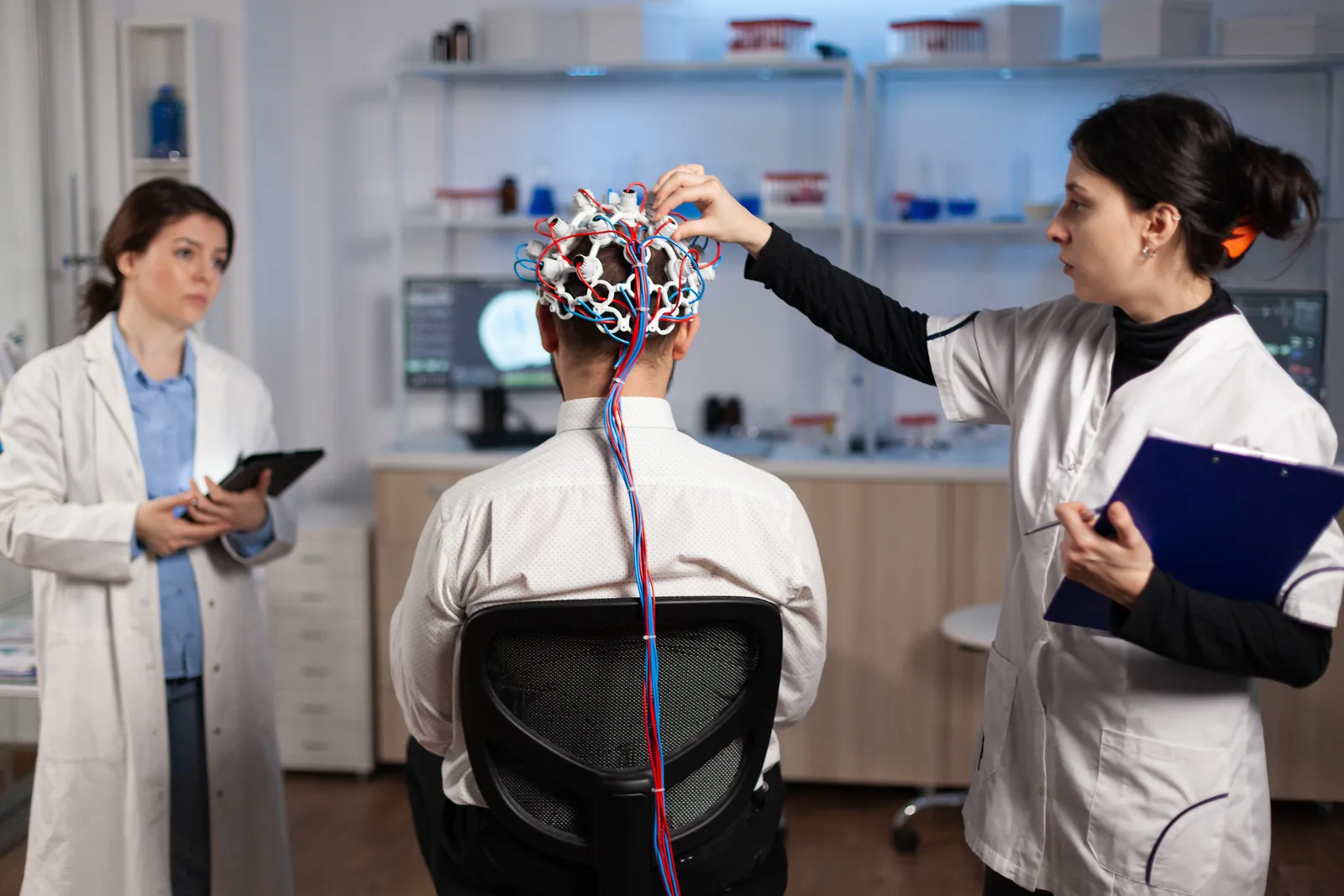
Dr. Shikha evaluates movement, balance, strength, coordination, and endurance, building a full picture of the physical effects before therapy begins.
Treatment is built on correct, repeated movement, the stimulus the brain needs to rebuild pathways. Structured, progressive, and measured.
Brain injury fatigue is real and significant. Sessions are paced to work with the patient's energy, not against it, progress without overload.
We work alongside neurologists and other specialists, and train the family thoroughly, so recovery is consistent across every setting.
Depending on the specific effects of the injury, recovery may be supported by:
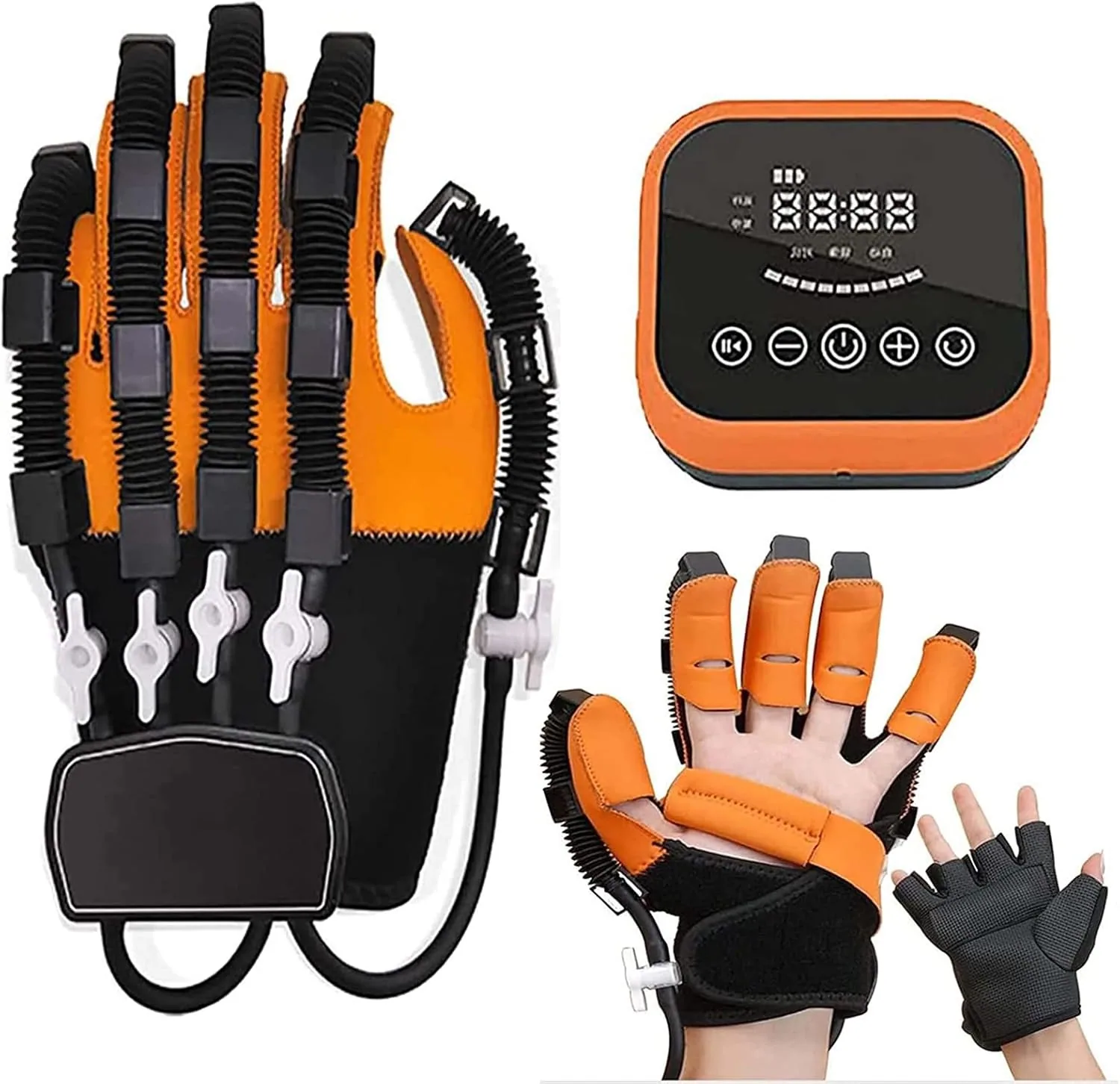 01 · Upper limb
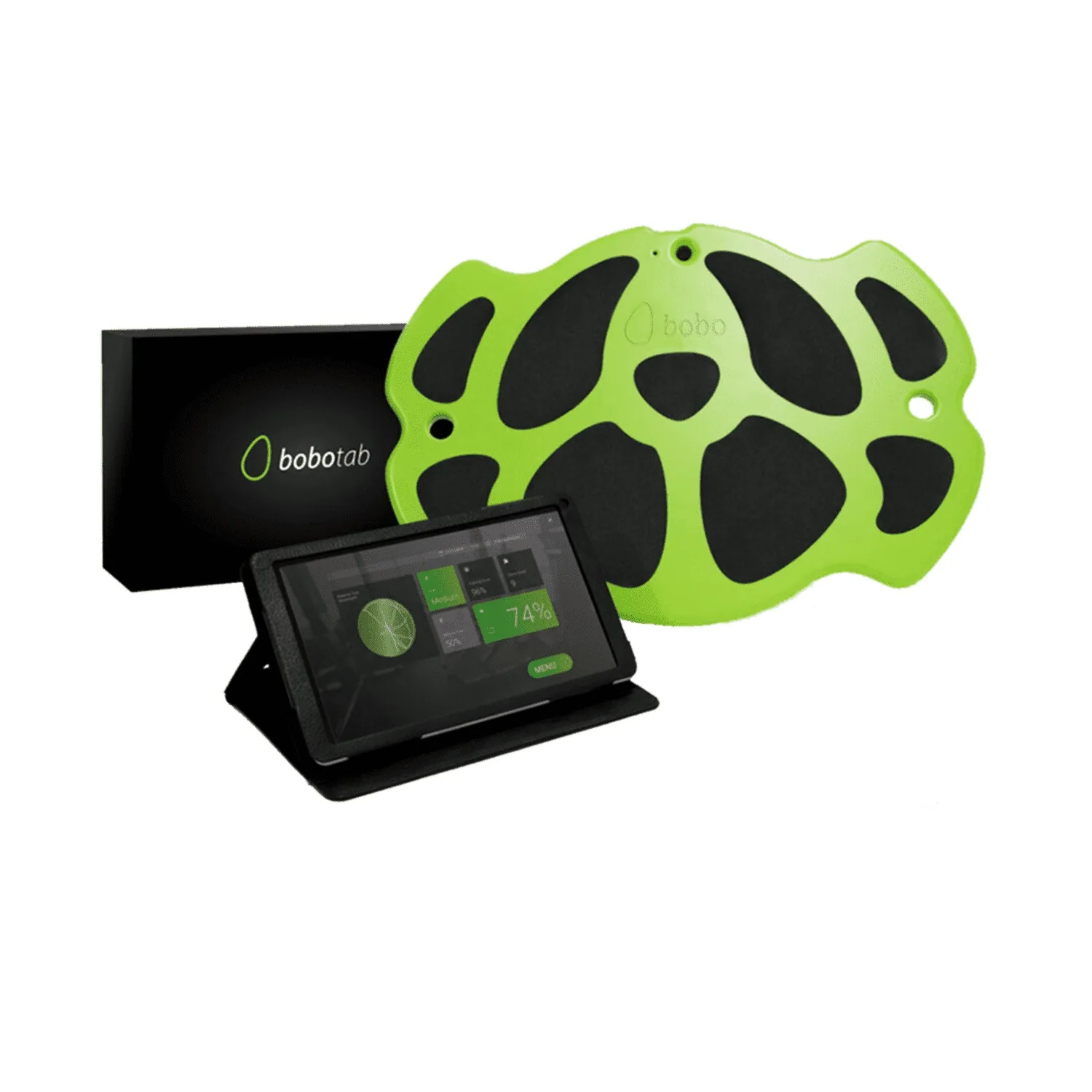 02 · Balance
 03 · Cognitive-motor
From first visit to documented progress, every stage is paced and reviewed.
A 60–90 minute assessment with Dr. Shikha. Full physical and functional evaluation, conversation with patient and family, and a written plan.
45–60 minutes, frequency set by stage and tolerance. Manual therapy, technology-assisted work, and functional training, always supervised.
Brain injury recovery varies widely. Meaningful gains often continue over many months; we set honest, patient-specific milestones.
A formal review every four weeks with Dr. Shikha, with documented progress and adjustments to the plan.
If yours isn't here, send a message, Dr. Shikha's team replies personally, usually within one working day.
Recovery is hard. Regret is harder.
The brain rebuilds what it is given the chance to rebuild. Book an assessment with Dr. Shikha, she will evaluate the patient personally, explain what is realistically possible, and give you a clear plan.