
01
Balance decline
Unsteadiness, postural sway, and reduced confidence when standing or walking.
Cerebron's geriatric mobility programme helps older adults rebuild strength, balance, and the confidence to move without fear, patient, expert therapy led personally by Dr. Shikha, in a setting where seniors are never rushed.

As people age, it is common for movement to become slower, more careful, and less confident. Many families treat this as simply 'getting older', something to accept rather than address.
But declining mobility in older adults is rarely just ageing. It is usually a combination of treatable factors: gradual muscle weakness, reduced balance, joint stiffness, slower reactions, and, very often, a growing fear of falling that makes a person move even less, which weakens them further.
Geriatric mobility therapy breaks that cycle. It rebuilds strength and balance, restores confidence, and measurably reduces fall risk, protecting the independence that matters most. The best time to start is before a fall, not after.
Most of these are treatable, with patience, the right programme, and a clinician who listens.
Unsteadiness, postural sway, and reduced confidence when standing or walking.
Increased risk of falling, addressed before a fall happens, wherever possible.
Age-related strength loss that affects mobility and daily function.
Slower walking, shorter walking distance, and difficulty with stairs.
Stiffness and arthritic discomfort that limit comfortable movement.
Loss of confidence that itself reduces activity, rebuilt deliberately.
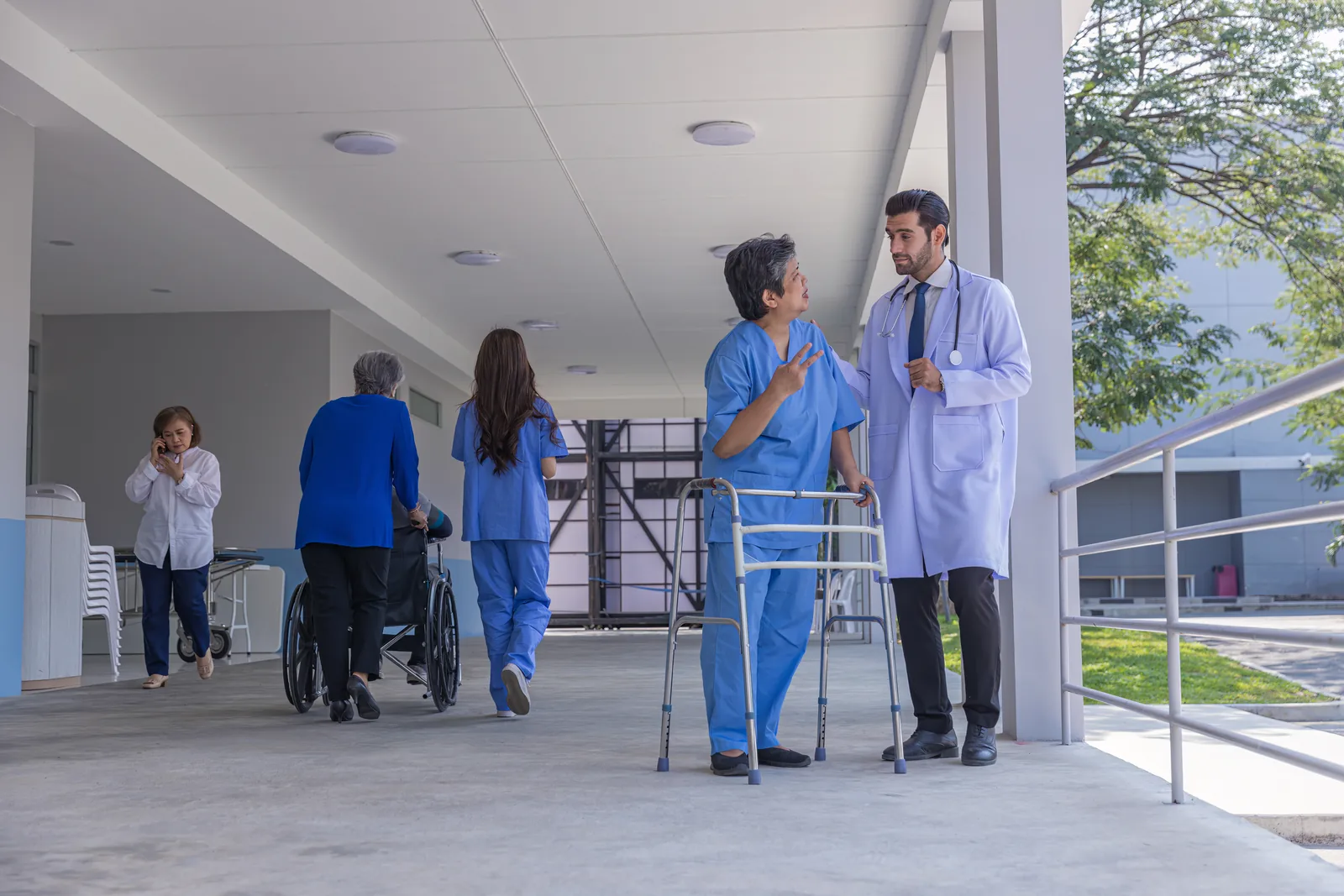
Older adults are not smaller, slower adults. They need a different approach.
Dr. Shikha evaluates balance, strength, gait, and confidence, taking the time older patients deserve, never rushing the process.
Sessions are calm and unhurried, with built-in rest. The pace itself is therapeutic, and it keeps older patients engaged and comfortable.
Fear of falling is treated as seriously as physical weakness, rebuilt through small, repeated successes, not by pushing through fear.
We assess the home environment with the family, advise on practical changes, and train relatives in how best to support safe movement.
Used selectively, only where it genuinely helps an older patient:
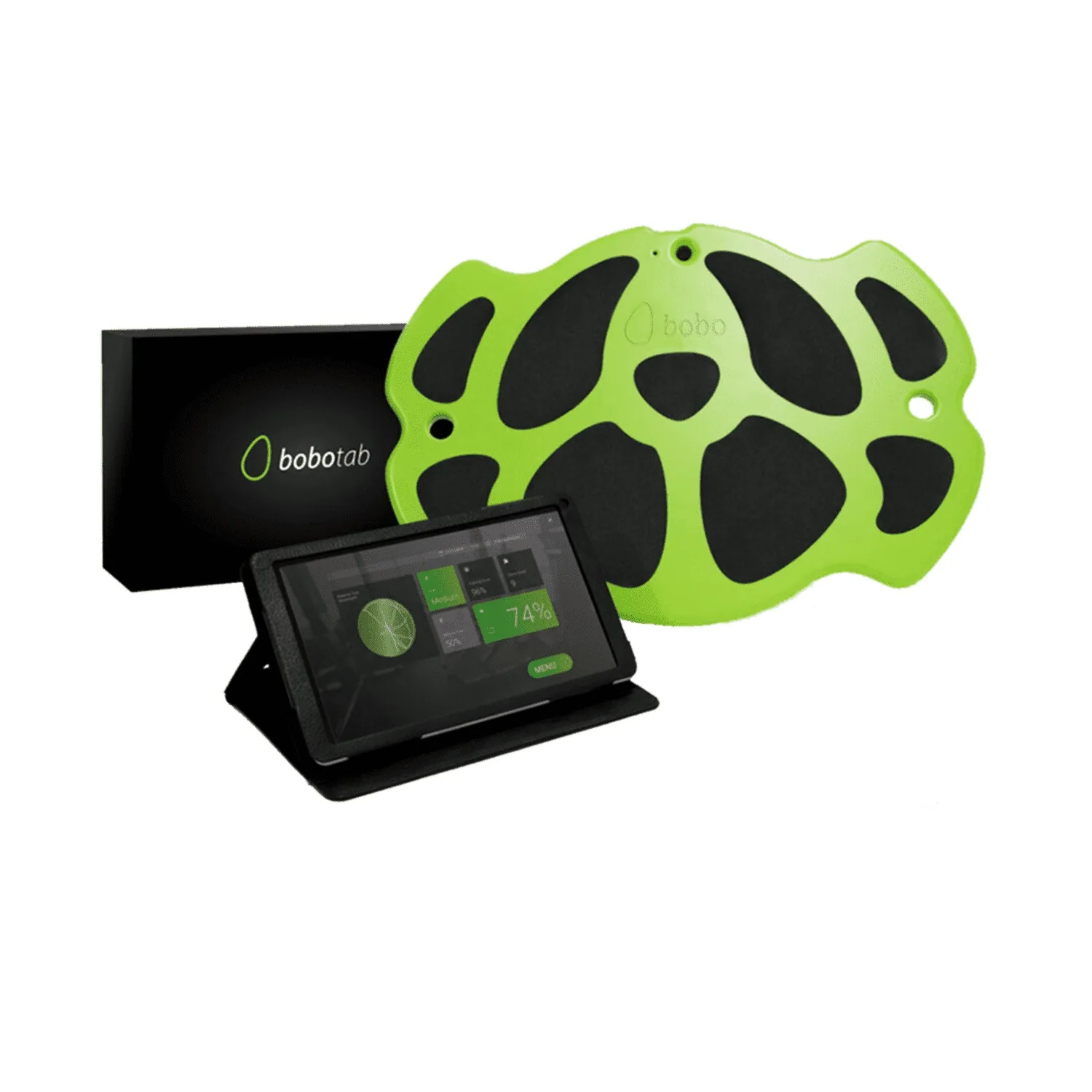 01 · Balance
 02 · Reaction
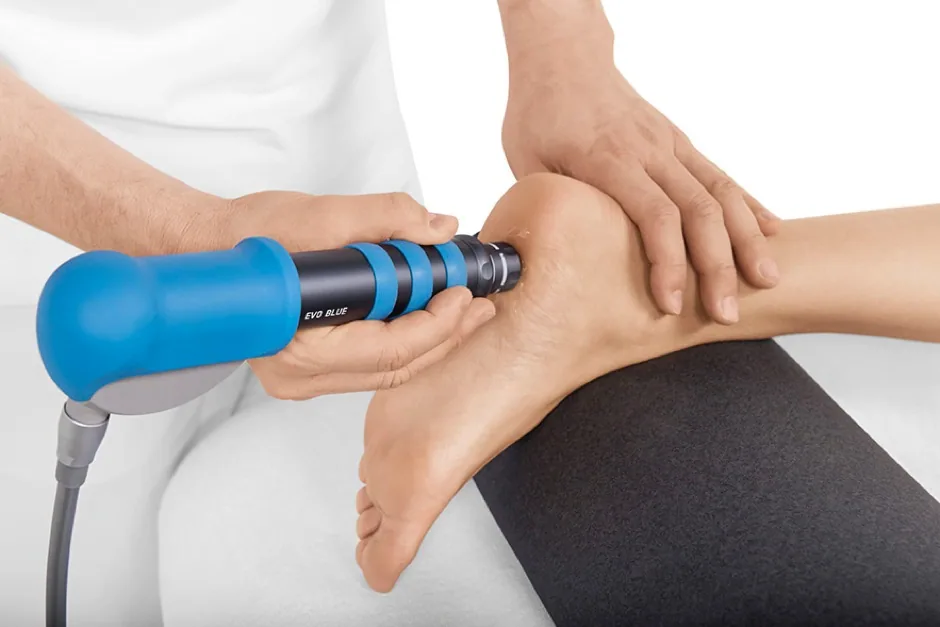 03 · Arthritic pain
From paced first visit to long-term confidence, every stage is family-inclusive.
A 60–90 minute assessment with Dr. Shikha. Balance, strength, gait, and mobility evaluation, with a paced, written rehabilitation plan.
Around 45 minutes, with built-in rest, 2–3 times per week. Strength, balance, and functional work at a calm, patient-led pace.
Initial improvement is often seen in 4–6 weeks, with significant balance gains by 8–12 weeks. Many seniors then continue at a lower frequency.
A formal review every four weeks with Dr. Shikha, family included, with a home-environment review around the 8-week mark.
If yours isn't here, send a message, Dr. Shikha's team replies personally, usually within one working day.
Recovery is hard. Regret is harder.
The fall you prevent is the one no one ever has to recover from. Book a geriatric mobility assessment for your parent with Dr. Shikha, she will evaluate them personally and build a clear, paced plan.