
Structured clinical physiotherapy.
Not a check-in chat. A guided physical session over secure video, your therapist watches you move, corrects form, and progresses you week by week.
Expert-guided tele-rehabilitation that brings the same trusted therapists, protocols and clinical oversight to you, wherever you are.
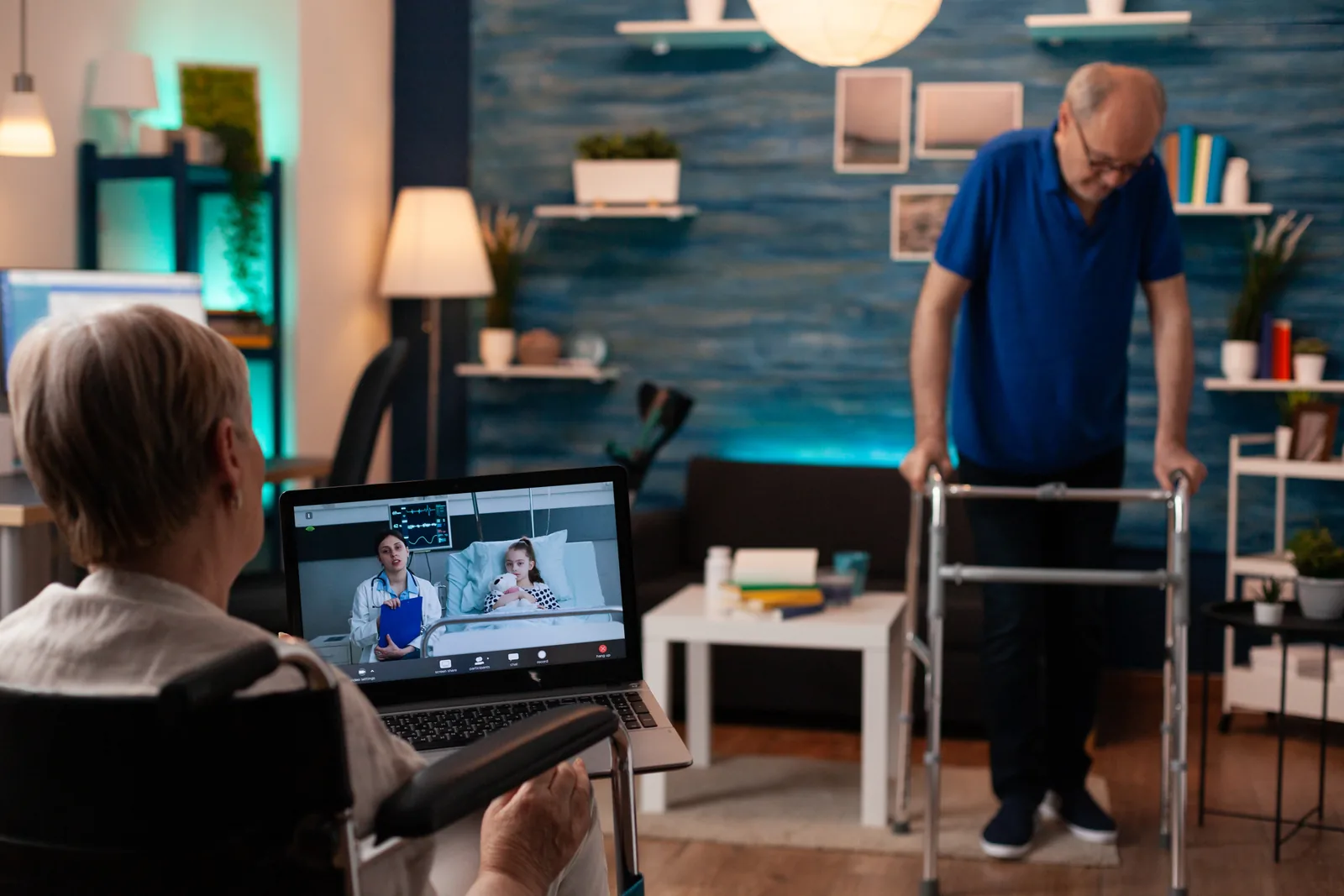
Now consulting
Online & in-clinic
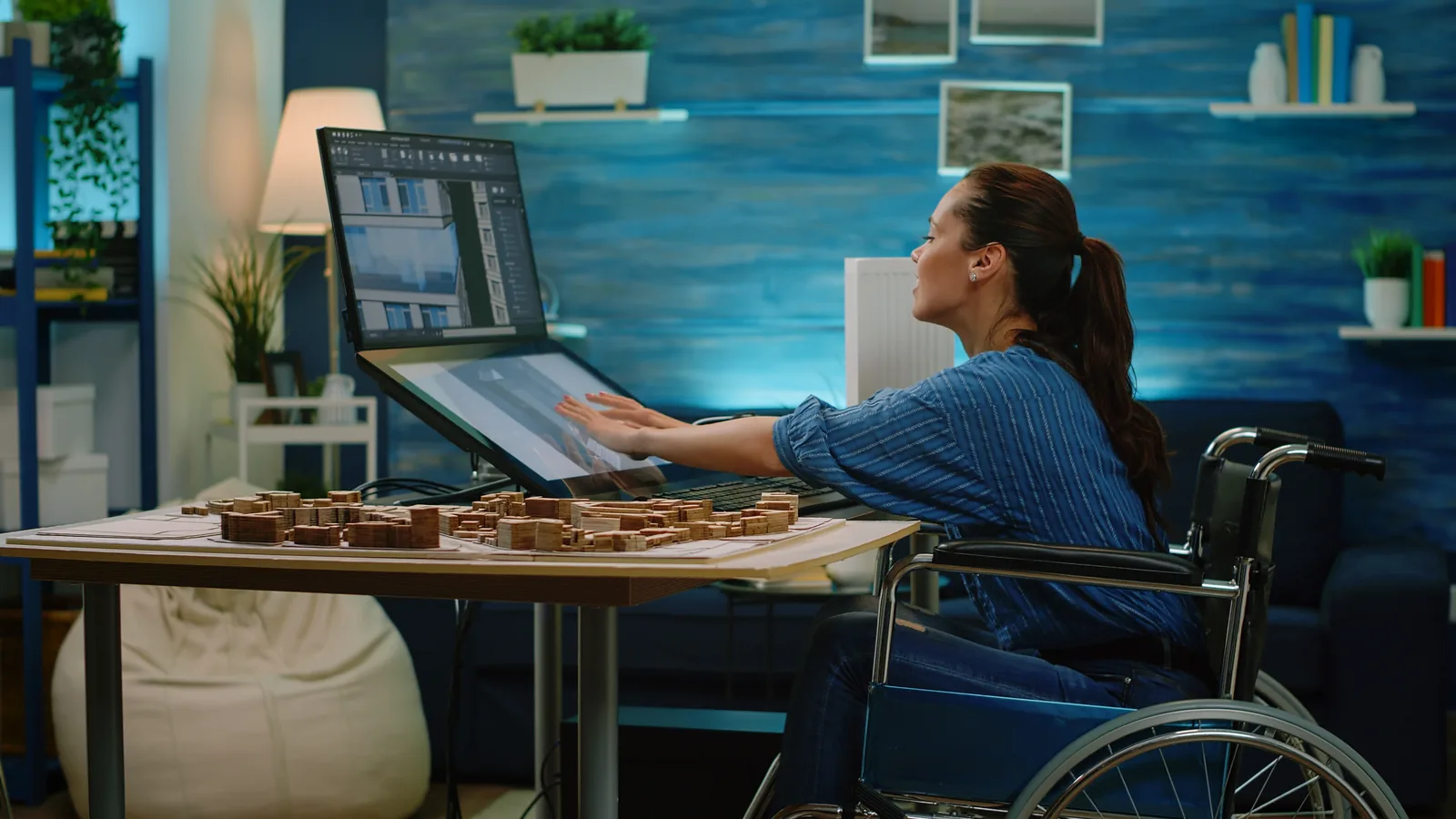
The same clinical backbone, brought into your living room.
Tele-rehabilitation is structured physiotherapy delivered over secure video, not a watered-down alternative, but the same care met where the patient is.
Not a check-in chat. A guided physical session over secure video, your therapist watches you move, corrects form, and progresses you week by week.
You see the Cerebron therapist who already knows your case. Continuity is part of the therapy, not a bonus.
Often with a family member assisting, while the therapist directs the full session on screen.
For early-stage neuro or post-surgical recovery, in-clinic is non-negotiable, and we’ll always tell you so.
Recovery is hard. Regret is harder.
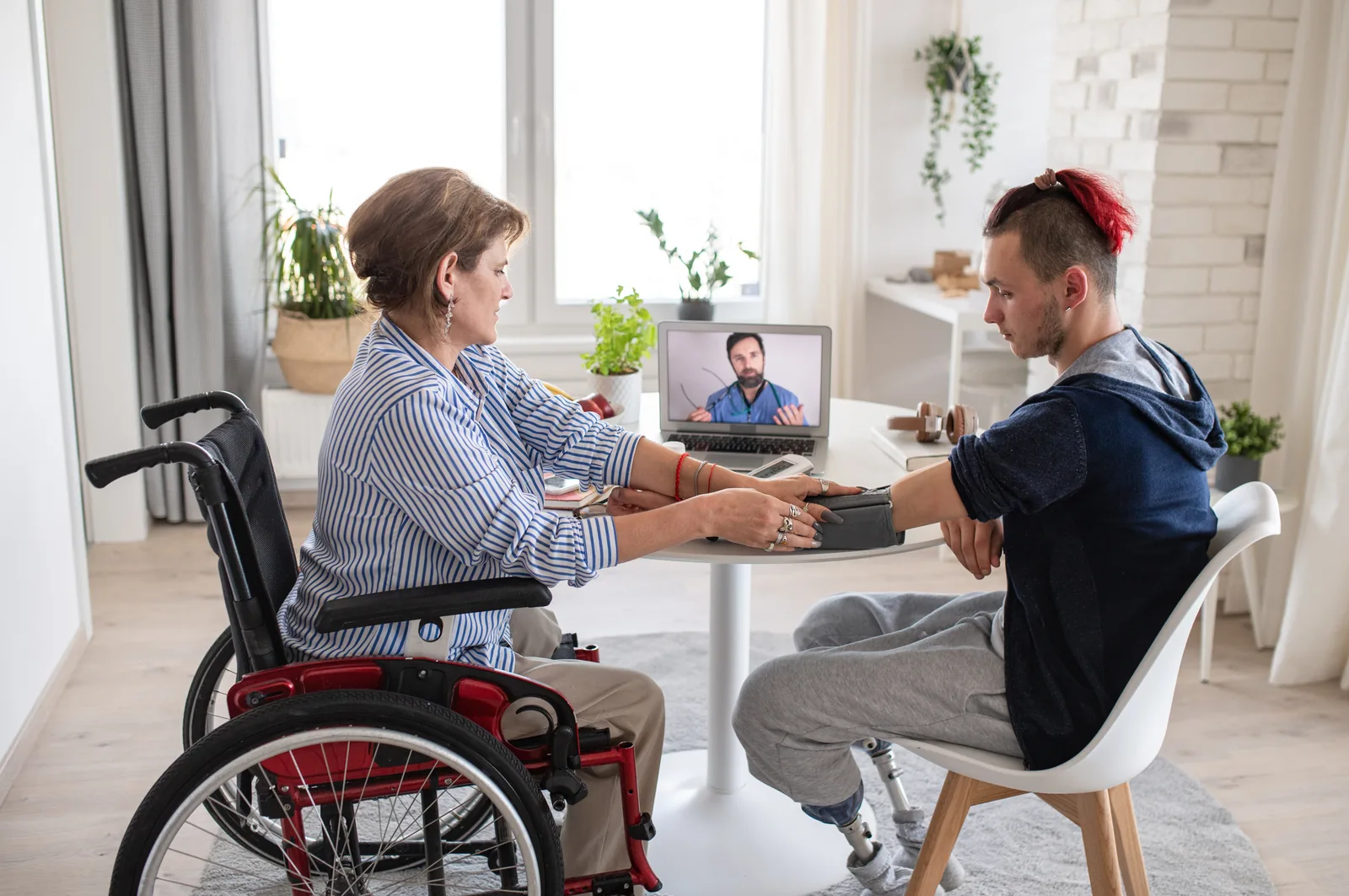
Four principles, no shortcuts. Tele isn’t a lighter version of clinic therapy, the format changes, the standards don’t.
For new patients we strongly recommend the first assessment in-clinic, we need to physically evaluate before designing a remote-friendly protocol. For genuinely distant patients, exceptions are made case by case.
Every tele-rehab session is run by a Cerebron therapist who knows your case. You see the same person, session after session, continuity isn't a nice-to-have here, it's part of the therapy.
Sessions are delivered in English, Hindi, Marathi, Kannada, or Telugu, whichever the patient prefers. For many older patients, therapy in their mother tongue dramatically improves engagement and outcomes.
Tele-rehab patients get the same 4-weekly progress review with Dr. Shikha as in-clinic patients. Notes, videos, and measurable progress, reviewed and discussed honestly, never glossed over.
A note on standards
If tele-rehab isn’t the right fit for where you are in recovery, we’ll tell you, honestly, before the first session. The format should serve the patient, never the other way around.
Book an honest assessmentTele-rehab suits specific stages of recovery. We’ll always tell you honestly whether it fits your situation, never sell you a setting that won’t serve you.
Ongoing support and re-progressions after an in-person program ends, keeping hard-won gains from slipping.
Guided home-exercise progression once the intensive phase is complete, so momentum doesn’t stall.
Consistent, specialist-led care for patients beyond Thane and Mumbai who can’t travel in regularly.
Mid-phase recovery for stable patients who don’t need every single session in person.
Coaching family caregivers in correct technique, without the patient needing to travel at all.
Long-term review sessions for conditions that need ongoing oversight, kept light but never lapsed.
From assessment to progress tracking, every session follows a structured clinical system, start to steady progress.

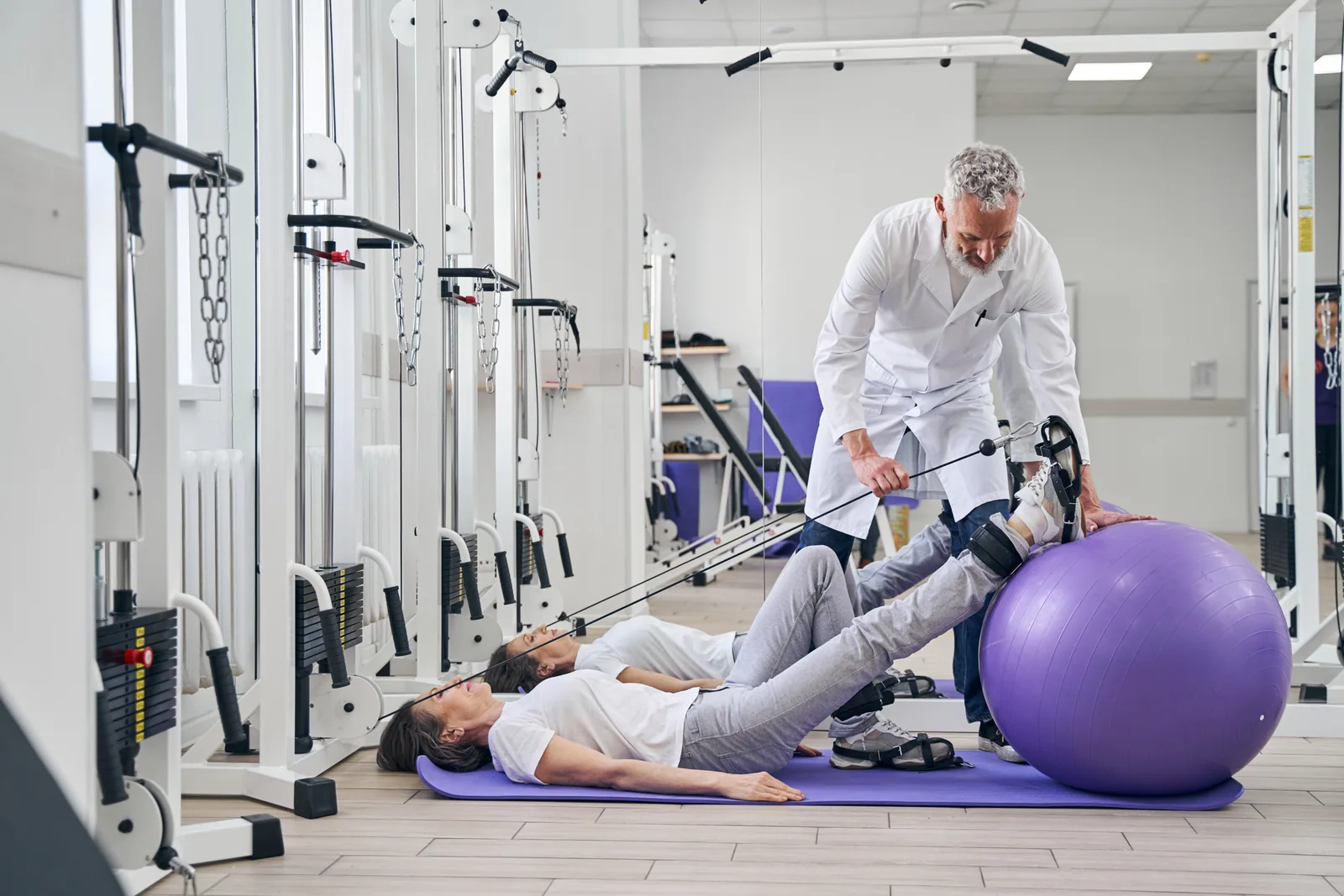

If yours isn’t here, send a message, Dr. Shikha’s team replies personally, usually within one working day.
A video call is a conversation. Tele-rehab is a guided physical session, your therapist watches you move, corrects your form in real time, progresses your exercises week by week, and tracks measurable outcomes. It’s structured clinical therapy delivered remotely, not a check-in chat.
A smartphone or laptop with a clear camera, a stable internet connection, and a 2×2-metre space to move in. Some sessions also benefit from a single resistance band or a light weight, we’ll tell you exactly what you need before your first session. Nothing complicated.
Honestly, it depends on the stage and condition. For early-stage neuro recovery, post-surgical rehab, or hands-on manual therapy, in-clinic is significantly better. For maintenance, late-stage rehab, geographically distant patients, or stable conditions, tele-rehab is genuinely effective, and well-documented in the literature.
Recovery is hard. Regret is harder.
Book an initial assessment with Dr. Shikha, in-clinic if you can travel, by video if you can’t. She personally evaluates every new patient, so the plan you start with is built for you, not for a category.

Progress that doesn’t pause.