01
Muscle tightness (spasticity)
Stiff, tight muscles that limit movement and can affect posture over time.
Cerebral palsy rehabilitation at Cerebron supports children and adults at every stage, improving movement, posture, and daily function through expert, individualised therapy led personally by Dr. Shikha, an MPT in Neurological Sciences.
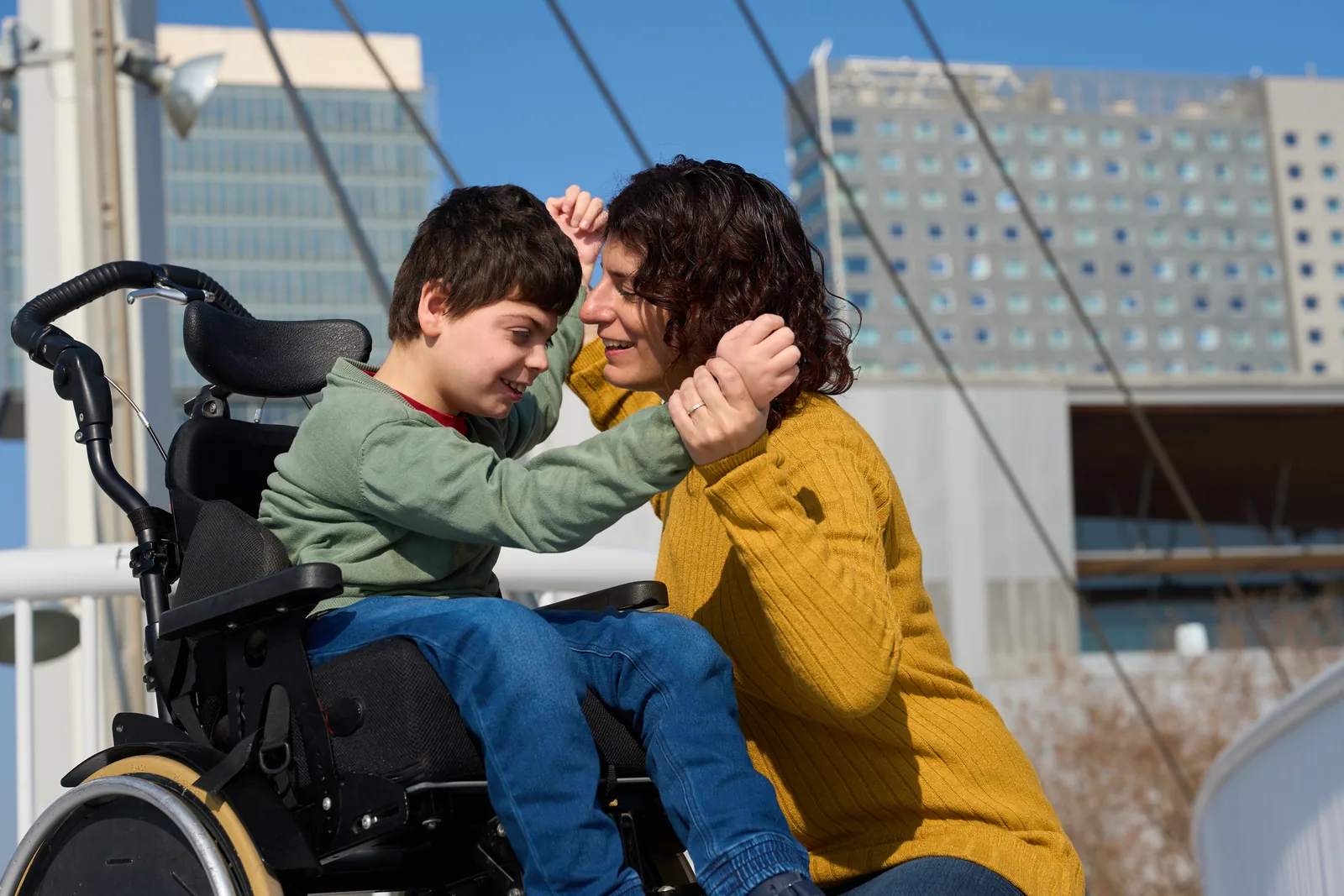
Cerebral palsy is a group of lifelong conditions that affect movement, posture, and muscle coordination. It is caused by damage to the developing brain, usually before, during, or shortly after birth.
Cerebral palsy affects every individual differently. Some people have mild effects in one limb; others have more involved challenges across the body. It may involve muscle tightness, weakness, involuntary movement, or difficulty with balance and coordination.
Cerebron's role is to maximise what is possible, through individualised therapy that meets the patient where they are, whether a young child or an adult living with CP.
Cerebral palsy varies widely. We assess each patient individually and treat what matters most for them.
Stiff, tight muscles that limit movement and can affect posture over time.
Reduced strength affecting movement, stability, and daily activity.
Difficulty with stable, controlled, and coordinated movement.
Postural challenges that benefit from active, ongoing management.
Altered gait and mobility patterns, addressed through targeted therapy.
Difficulty with grip and fine movement, where the hand is involved.
Care is coordinated with paediatricians, neurologists, and other specialists where needed, so therapy stays integrated across the team.
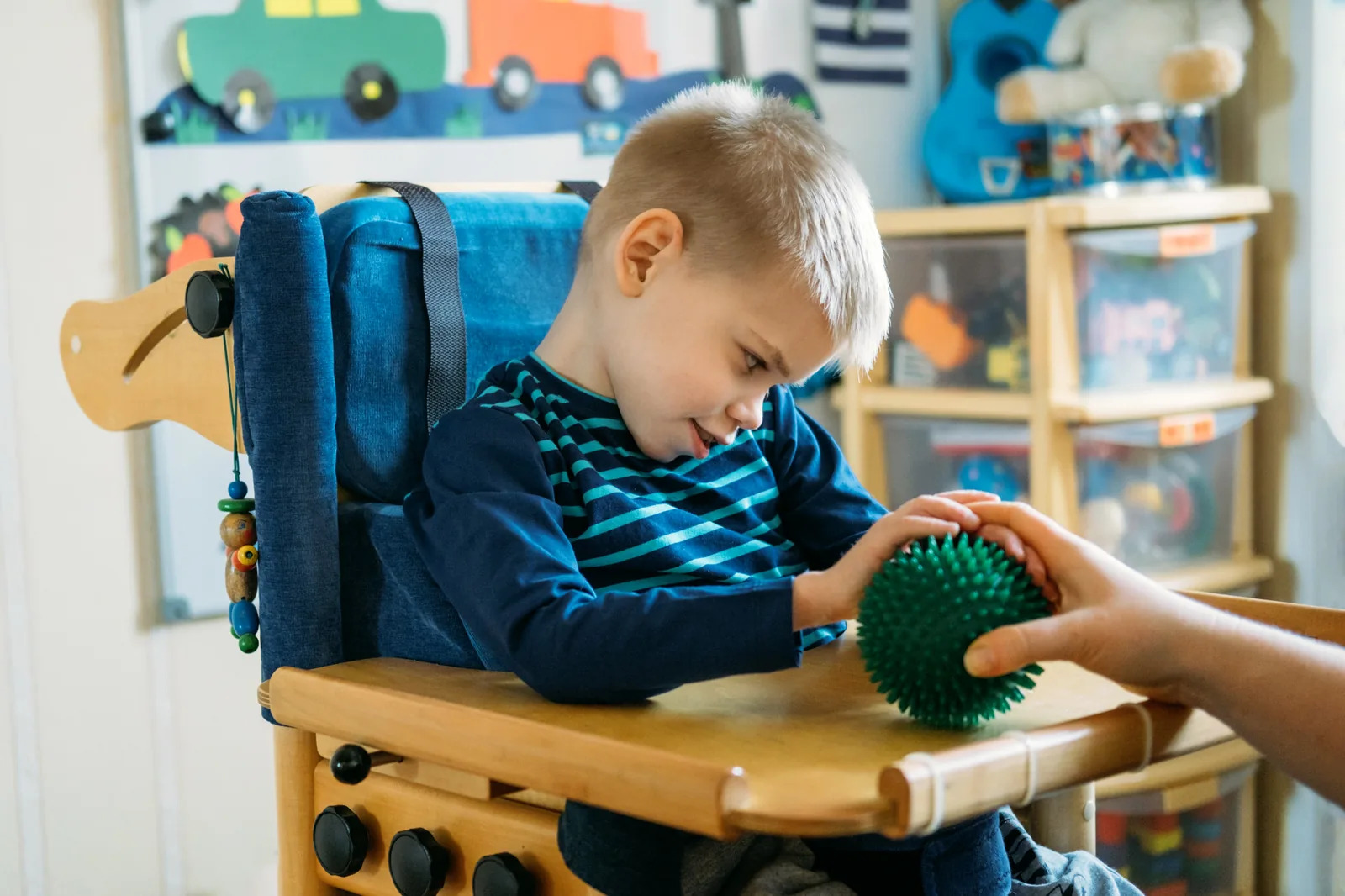
Cerebral palsy care is a long-term partnership, not a fixed course of treatment.
Dr. Shikha evaluates movement, tone, posture, and function, and, for children, developmental stage, to build a plan matched to the individual.
Therapy works to improve function while also preventing the secondary effects, tightening, stiffness, postural change, that CP can cause without intervention.
For children, sessions are engaging and play-based. For adults, therapy targets maintenance, function, and independence. The method fits the person.
Cerebral palsy care continues every day at home. We train families thoroughly so therapy extends well beyond the clinic.
Used selectively and age-appropriately, technology can support CP therapy meaningfully.
 01 · Coordination
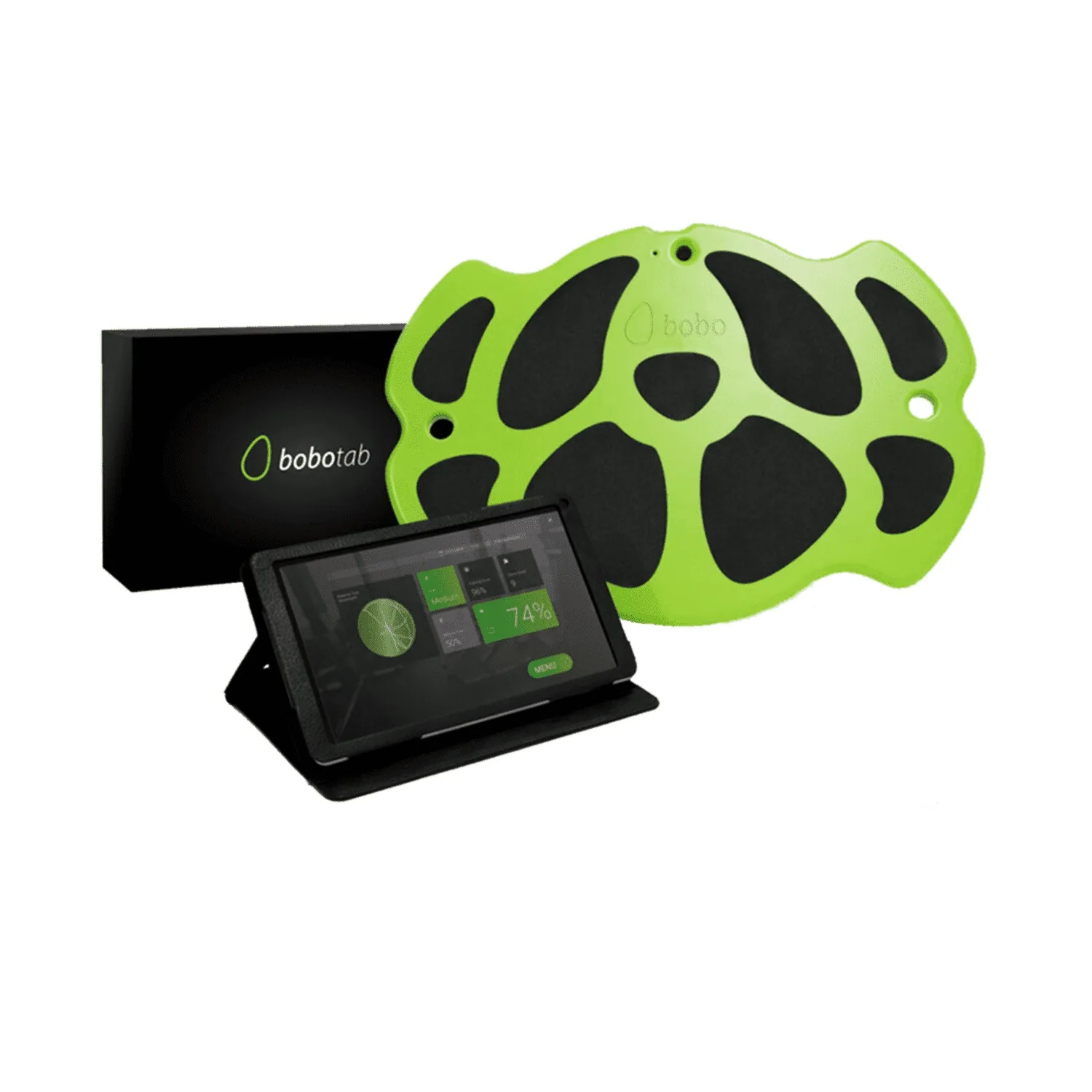 02 · Balance
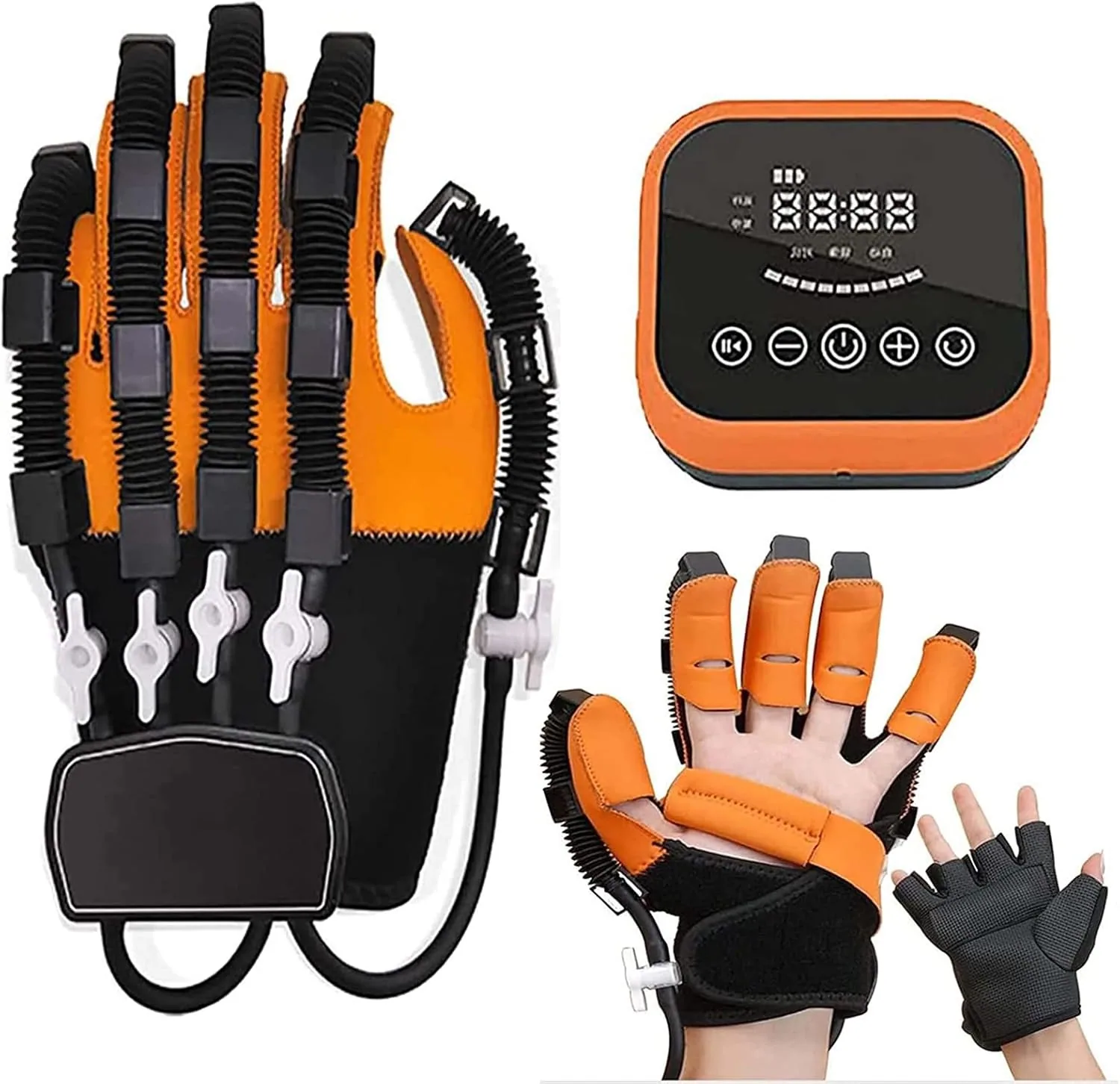 03 · Hand function
From first visit to long-term review, every stage is paced and individualised.
A 75–90 minute assessment with Dr. Shikha. Evaluation of movement, tone, posture, and function, with goals set together with the family.
30–45 minutes for children, longer for adults. Engaging, goal-focused therapy, always supervised, always individualised.
Cerebral palsy care is ongoing. Gains build steadily; the focus is consistent progress and protecting function over the long term.
A formal review every four weeks with Dr. Shikha, with documented progress and updated goals as the patient develops.
If yours isn't here, send a message, Dr. Shikha's team replies personally, usually within one working day.
Recovery is hard. Regret is harder.
Cerebral palsy is lifelong, and so is the potential to improve. Book an assessment with Dr. Shikha. She will evaluate the patient personally, explain what therapy can realistically achieve, and build a plan with your family.