Structured, supervised, sequenced.
Each surgery has a defined phase-by-phase protocol. We follow it, no improvisation, no shortcuts, no premature progression that risks re-injury.
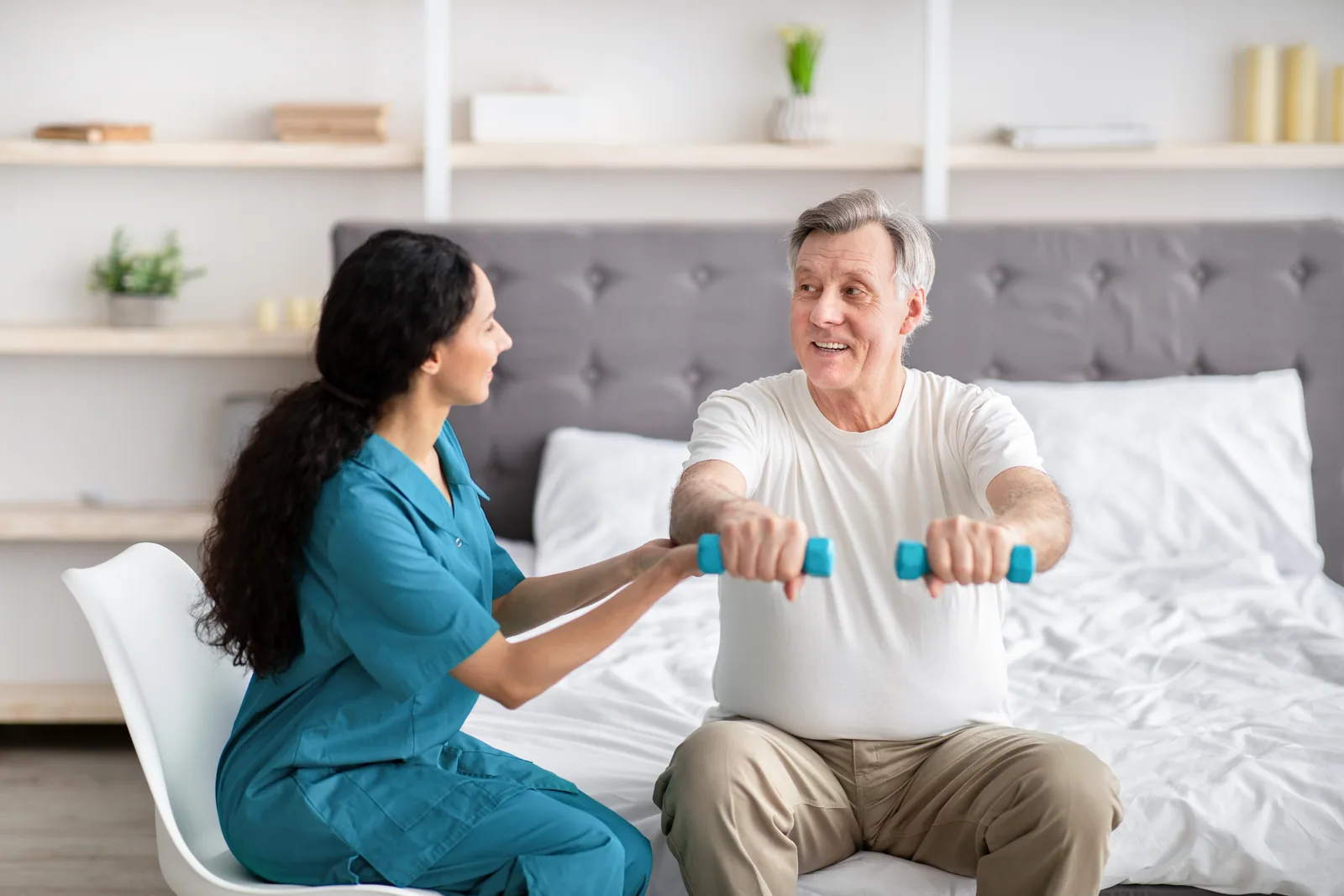
Cerebron’s post-operative rehabilitation programmes are designed for what happens after the operating theatre, when the harder, slower work of getting your body to trust itself again begins.
Specialty
Post-surgical & ESWT
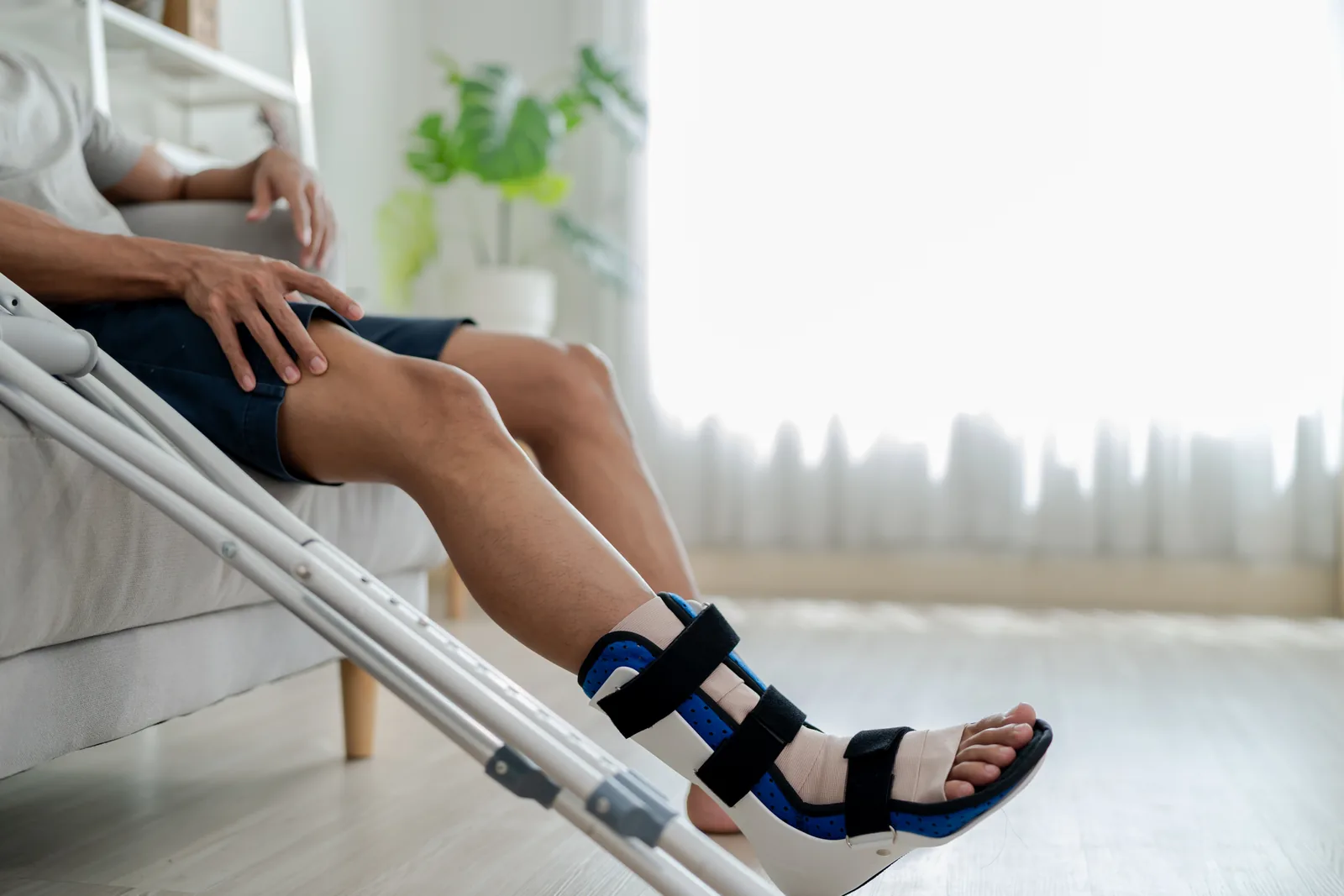
Surgery fixes the structure. Rehabilitation gives it back its function.
A successful surgery is only half the journey. The other half is what happens in the eight to sixteen weeks after, when scar tissue is forming, muscles are atrophied, joints are stiff, and the brain is still flinching at movements that used to be effortless.
Each surgery has a defined phase-by-phase protocol. We follow it, no improvisation, no shortcuts, no premature progression that risks re-injury.
Without re-injury, without rushing the timeline, and without letting compensatory bad habits set in.
Skipped or rushed, even a perfectly performed operation underdelivers, joints stay stiff, gaits stay altered, and pain often returns.
Cerebron designs each protocol around the surgery, your age, and the life you need to get back to.
Recovery is hard. Regret is harder.
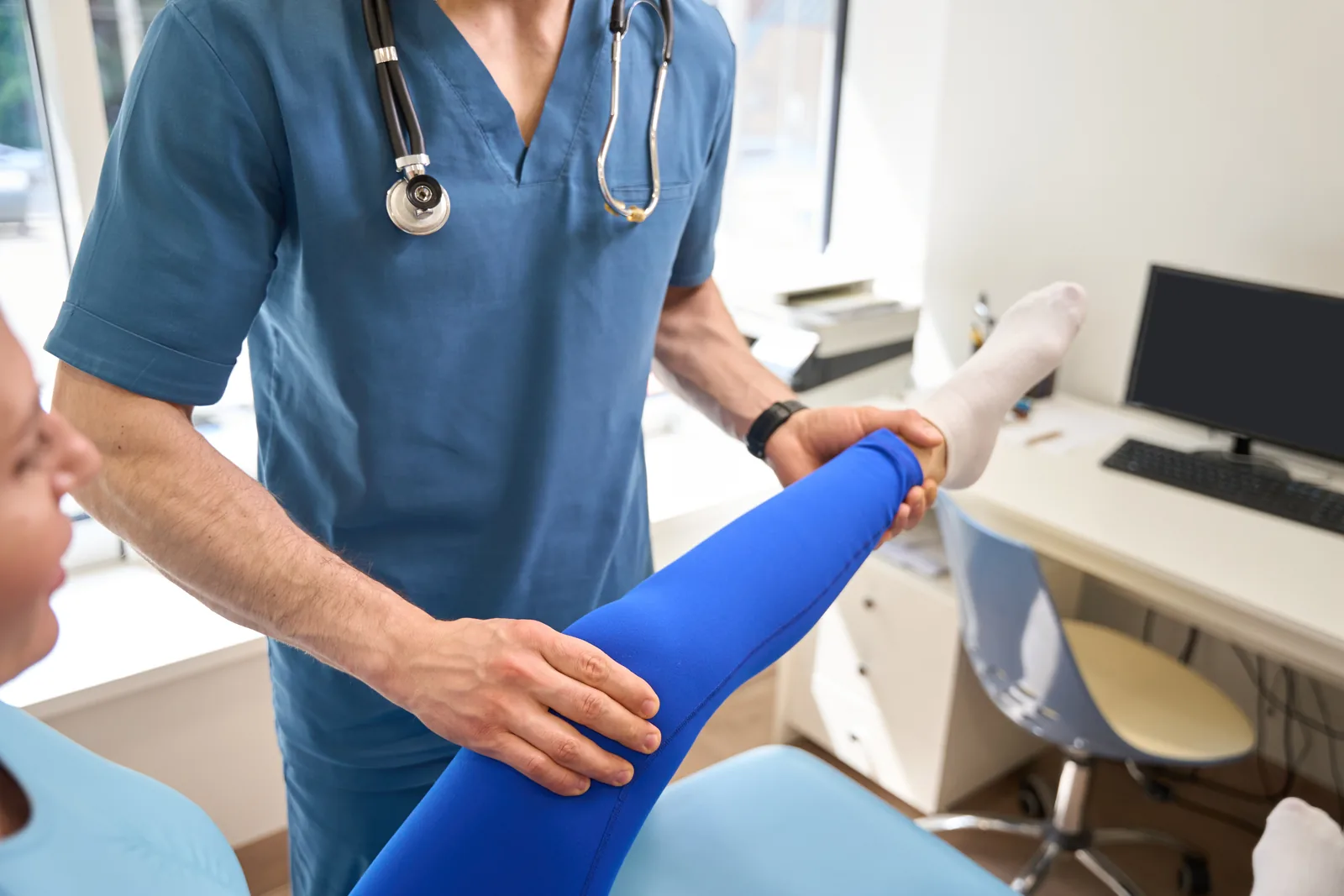
Most clinics push you to recover faster. We rehabilitate you to recover better.
Each surgery has a defined post-op rehabilitation protocol, week by week, phase by phase. We follow it. No improvisation, no shortcuts, no premature progression that risks re-injury.
Some discomfort during recovery is unavoidable. Sharp pain isn't. We adjust intensity based on tissue response, pushing the recovery, never the patient past tolerance.
For chronic post-surgical scar tissue, tendinopathy after rotator cuff repair, or stubborn knee pain, ESWT speeds soft-tissue recovery measurably. Used clinically, not casually.
Touching your toes is range. Climbing stairs without thinking is function. We rehabilitate for the second, the actual life you need to get back to.
A note on standards
If your case needs more than rehab, we’ll tell you, and coordinate with your surgeon to get you what you actually need. The protocol should serve the patient, never the other way around.
Book a post-op assessmentEach procedure has its own healing timeline. Each protocol is built around that timeline, not pushed faster, not held back.
Post-surgical strength, range, and gait rehabilitation.
Mobility, hip stability, and return to independent walking.
Sport and daily-life return after ligament reconstruction.
Shoulder mobility, strength, and overhead-function recovery.
Post-discectomy, post-fusion, and laminectomy rehabilitation.
Strength and mobility recovery after major fractures.
Three of our four core technologies are used in orthopedic and post-op cases. Here’s where each fits.
High-energy acoustic pulses for chronic post-surgical pain, tendinopathy, and stalled soft-tissue healing. Particularly effective for stubborn post-op cases that have plateaued.
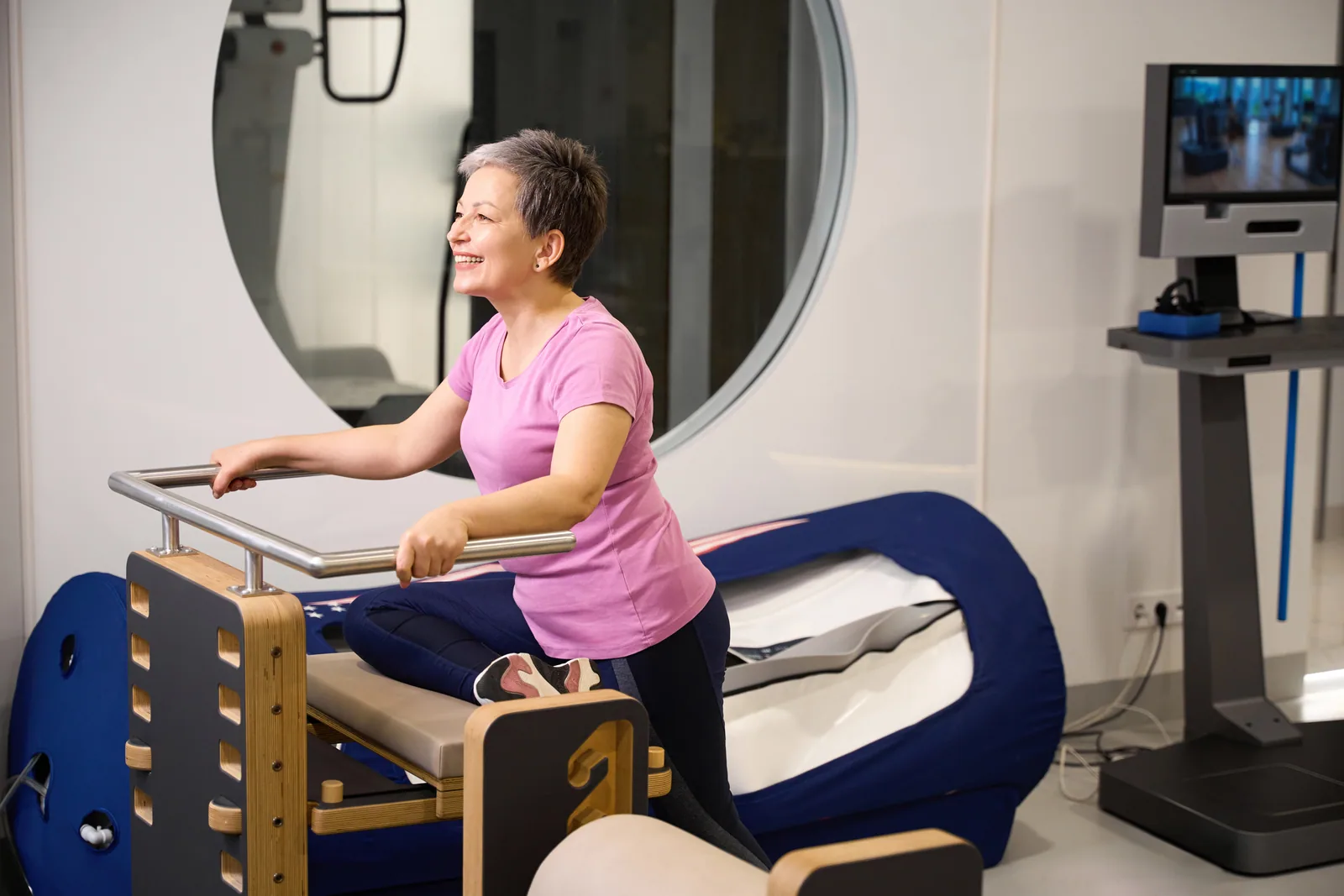
Data-driven balance training after knee, hip, or spinal surgery, when proprioception needs to be retrained alongside strength. Tracks measurable progress session by session.
Light-based reactive drills for late-stage rehab, returning to sport, work, or activities that demand quick decisions and balance under load.
Each technology has its own dedicated page, explore our technology →
Phase by phase, paced to healing, every stage documented and reviewed.

If yours isn’t here, send a message, Dr. Shikha’s team replies personally, usually within one working day.
Most modern protocols start within 24–72 hours of surgery, bed exercises and gentle movement immediately. Formal outpatient rehab typically begins once your surgeon clears weight-bearing or active movement, usually 1–2 weeks post-op. Earlier is almost always better.
Honest answer: some discomfort is part of regaining range and strength. Sharp pain isn't. Our protocols stay just inside tolerance, pushing tissues to adapt, never beyond. Most patients describe sessions as effortful and tiring, not painful.
Stalled recoveries are a specialty here. We re-assess what's actually limiting you, scar tissue, weakness, pain, fear of re-injury, or wrong-stage exercises, and rebuild a protocol that matches where your body actually is. Often the issue is doing the wrong stage's work.
Yes, and we encourage it. With the patient's consent, Dr. Shikha shares progress updates with your surgeon and flags anything that needs surgical review. Patients recover faster when the surgical team and rehab team are speaking the same language.
Procedure-dependent and discussed honestly at your first visit. ACL return-to-sport is typically 6–9 months. Knee replacements return to walking and stairs in 8–12 weeks. We won't give you a number to make you feel better, we'll give you the real one.
Recovery is hard. Regret is harder.
Book a post-op assessment with Dr. Shikha. Or send your surgical notes via WhatsApp, she personally responds within one working day.

The full result of your surgery, earned.