01
Knee replacement
Restoring strength, range, and confident walking after total knee replacement.
Post-surgical rehabilitation at Cerebron is built around your specific procedure, restoring strength, movement, and confidence through a structured, phase-by-phase programme, coordinated with your surgeon and led by Dr. Shikha.
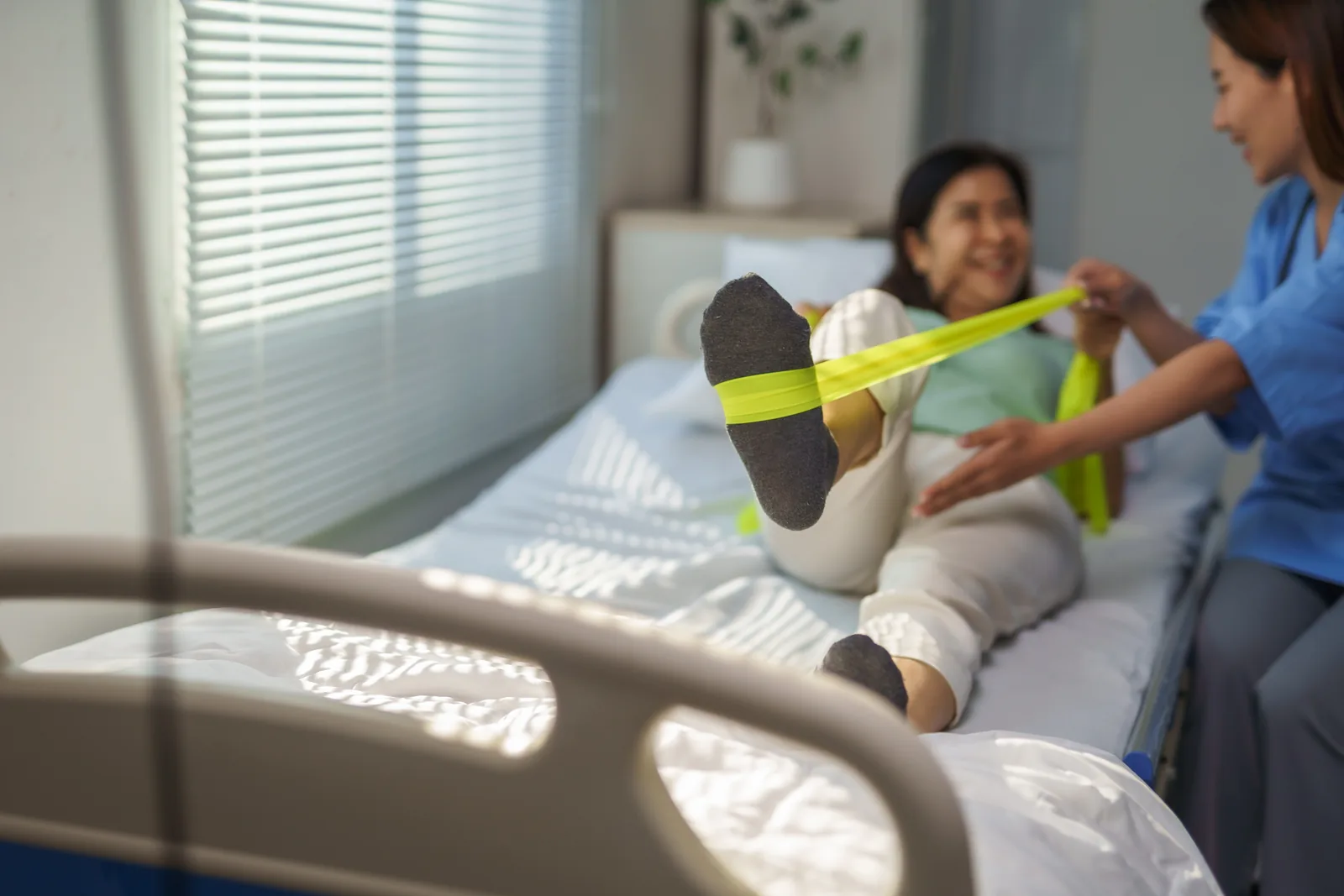
A successful surgery repairs a structure, a joint, a ligament, a disc. But it does not, on its own, restore function. That is the work of the weeks and months that follow.
After surgery, the body has changed. Muscles around the operated area have weakened. The joint is stiff. Scar tissue is forming. And often, the patient has unconsciously learned to move carefully and protectively, habits that, left uncorrected, can outlast the recovery itself.
Post-surgical rehabilitation is the structured process of rebuilding all of it, strength, range of motion, balance, and confident movement, at the right pace, without risking re-injury, and without letting compensations set in.
Each procedure has its own healing timeline. Each programme is built to match it.
Restoring strength, range, and confident walking after total knee replacement.
Rebuilding hip stability, mobility, and independent movement.
Structured return to daily life and sport after ligament reconstruction.
Restoring shoulder movement, strength, and overhead function.
Rehabilitation after discectomy, fusion, and related spinal procedures.
Rebuilding strength and mobility after surgical fracture repair.
Rehabilitation is coordinated with your treating orthopaedic surgeon throughout.
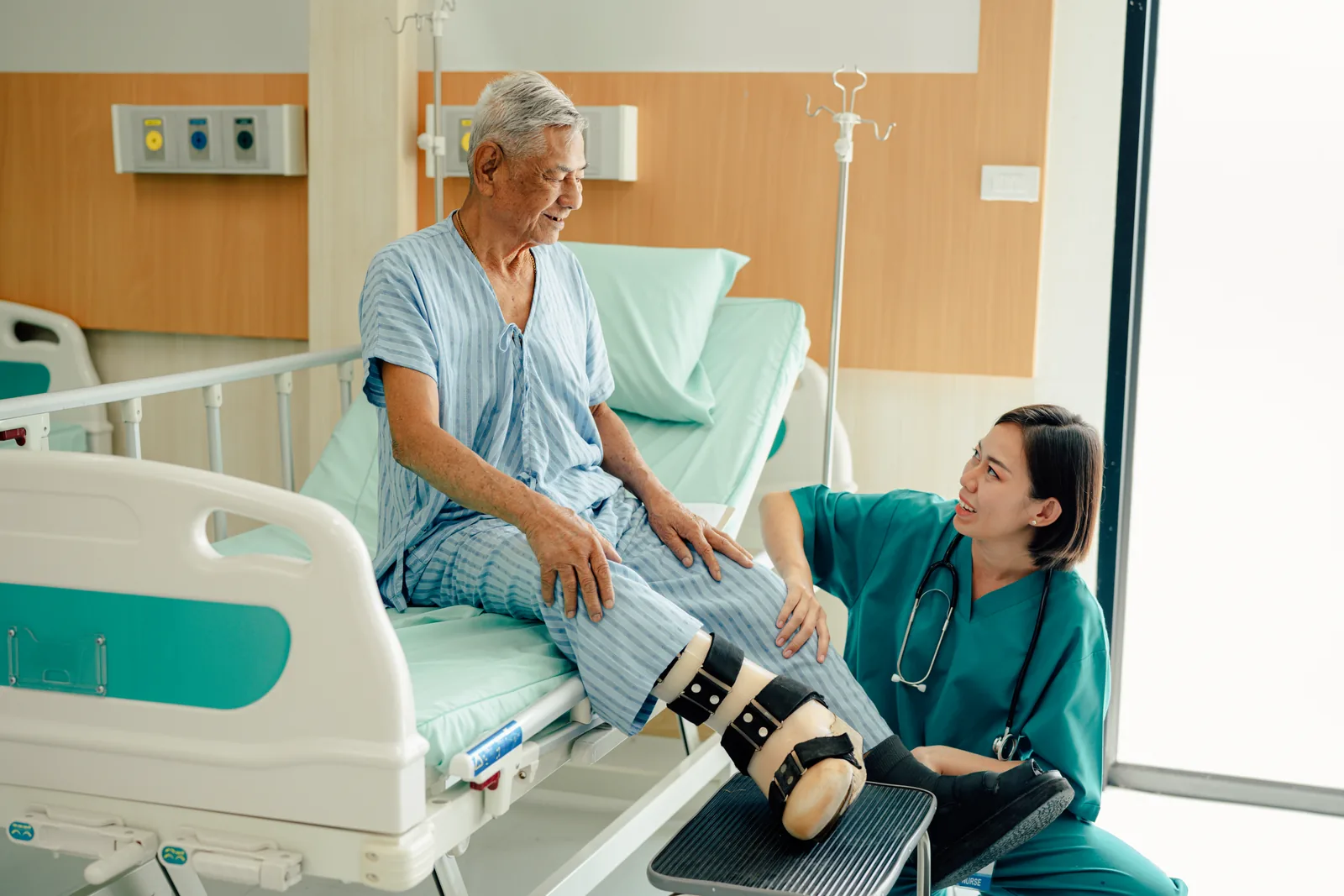
Recovery is not about speed. It is about rebuilding correctly, at the right pace.
Each surgery has a defined, phase-by-phase rehabilitation protocol. We follow it precisely, no shortcuts, no progression that risks the repair.
Therapy intensity is matched to where the body actually is in healing. We push the recovery forward, never the patient past safe limits.
The goal is the life you need back, stairs, work, sport, daily independence, not just movement on a measurement chart.
With your consent, we share progress with your surgeon and flag anything that needs review, so both teams work in step.
Depending on the procedure and stage of recovery, rehabilitation may be supported by:
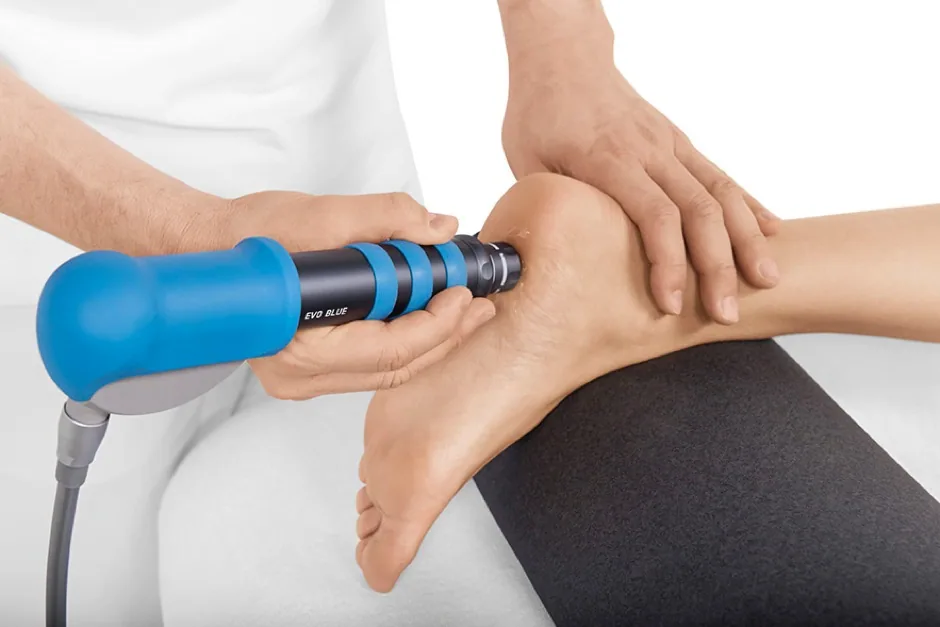 01 · Scar & stiffness
 02 · Balance & proprioception
 03 · Return-to-activity
Phase by phase, paced to healing, every stage documented and reviewed.
A 60–90 minute assessment with Dr. Shikha. Review of surgical notes and current limitations, with a written, phase-by-phase rehabilitation plan.
45–60 minutes, 2–4 times per week depending on the phase. Manual therapy, strengthening, and technology-assisted work, always supervised.
Procedure-dependent: knee and hip replacements typically 8–12 weeks of core rehab, ACL reconstruction 4–9 months to full sport return.
A formal review every four weeks with Dr. Shikha, with documented strength, range, and function, coordinated with your surgeon when needed.
If yours isn't here, send a message, Dr. Shikha's team replies personally, usually within one working day.
Recovery is hard. Regret is harder.
The surgery is done. The rebuild is where we come in. Book an assessment with Dr. Shikha, bring your surgical notes and she will build a phase-by-phase plan coordinated with your surgeon.