Older bodies recover differently.
Joints are more guarded, balance systems are slower to recalibrate, and the fear of falling, once it sets in, does as much damage as any physical weakness.
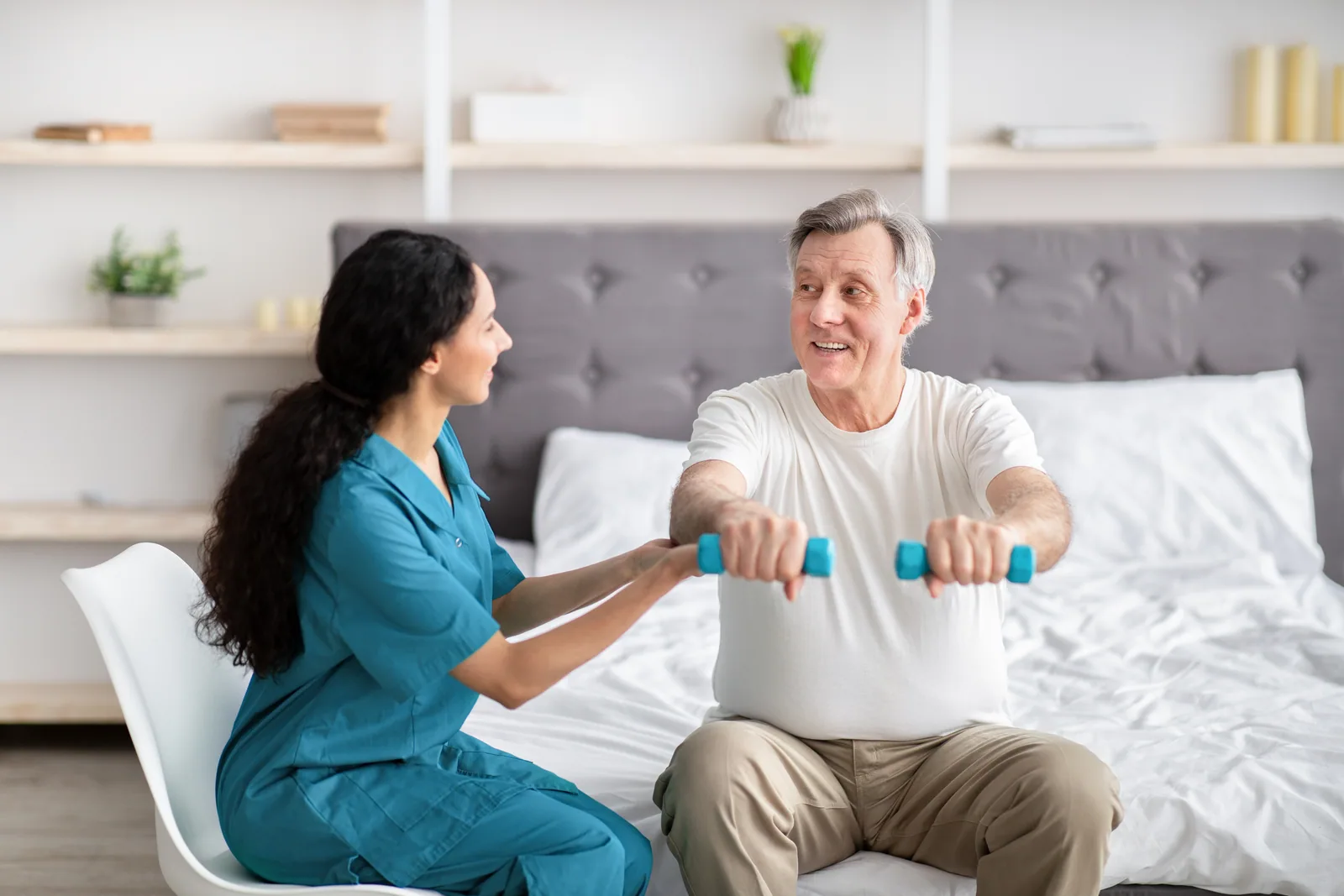
Cerebron’s geriatric conditioning programme is built for the slow, often invisible decline families don’t talk about, until the first fall. We rebuild strength, balance, and the confidence to move without fear.
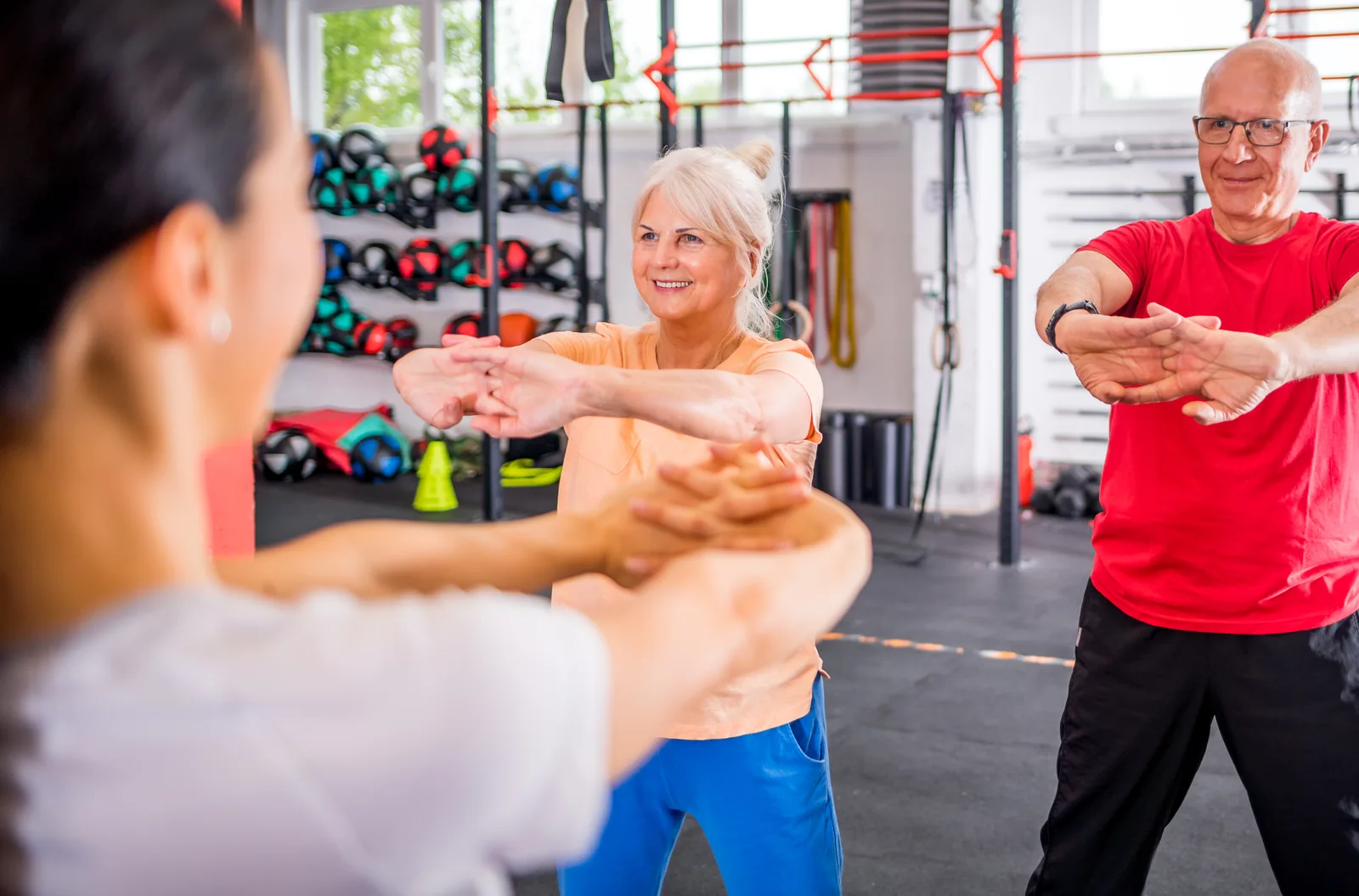
Senior-specialised
Patient, never rushed
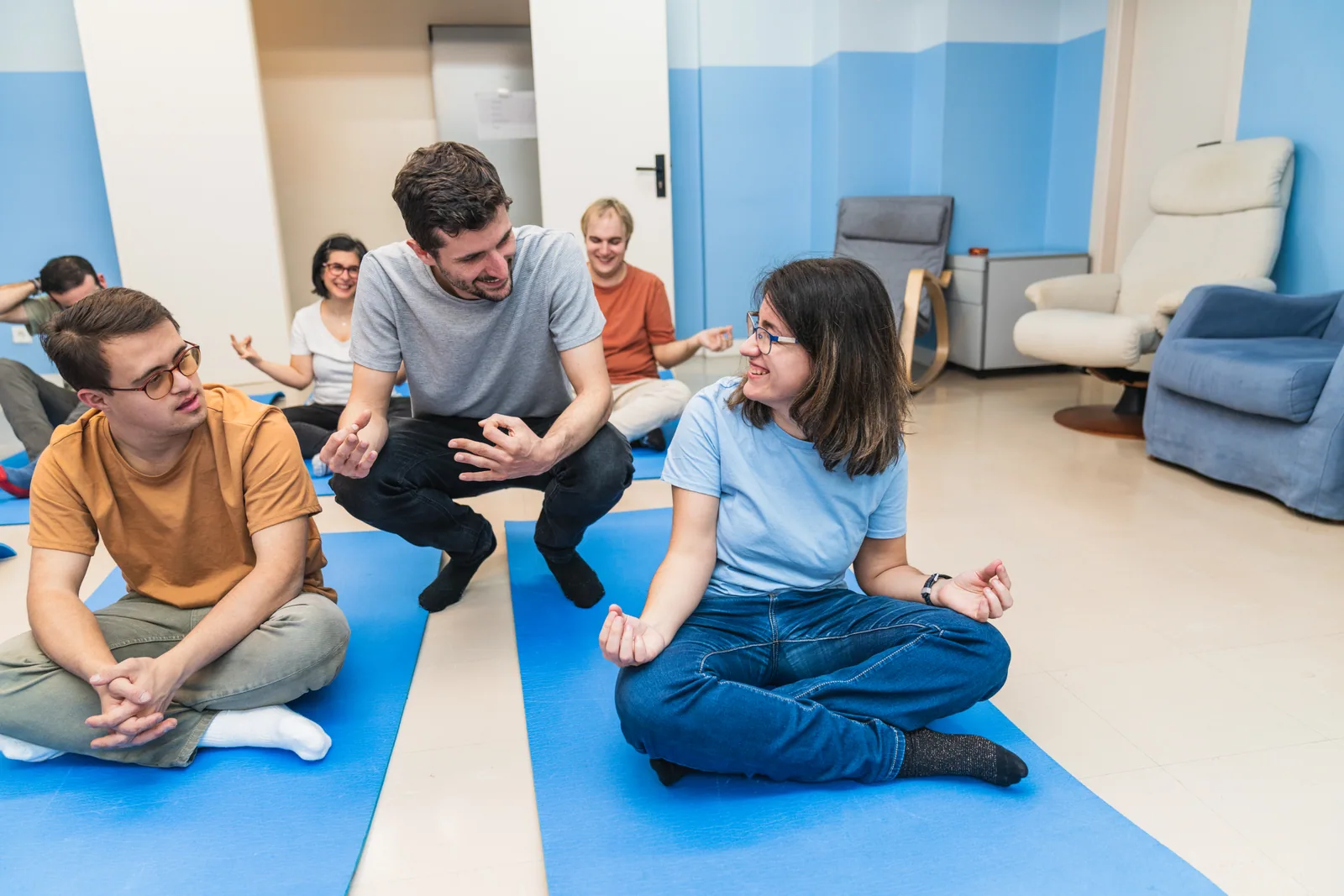
Independence isn’t a luxury at 75. It’s the part that matters most.
Geriatric conditioning is structured physical therapy designed specifically for older adults, typically aged 60 and above, whose strength, balance, mobility, or confidence has measurably declined over time.
Joints are more guarded, balance systems are slower to recalibrate, and the fear of falling, once it sets in, does as much damage as any physical weakness.
Weakened muscles, unsteady gait, cautious posture, loss of confidence to walk to the bathroom at night. Slow work. Personal work.
Done right, geriatric conditioning gives an older person back their independence, which is the part that actually matters.
Our programme is led by therapists trained specifically for senior patients, in a setting where nobody is hurried.
Recovery is hard. Regret is harder.
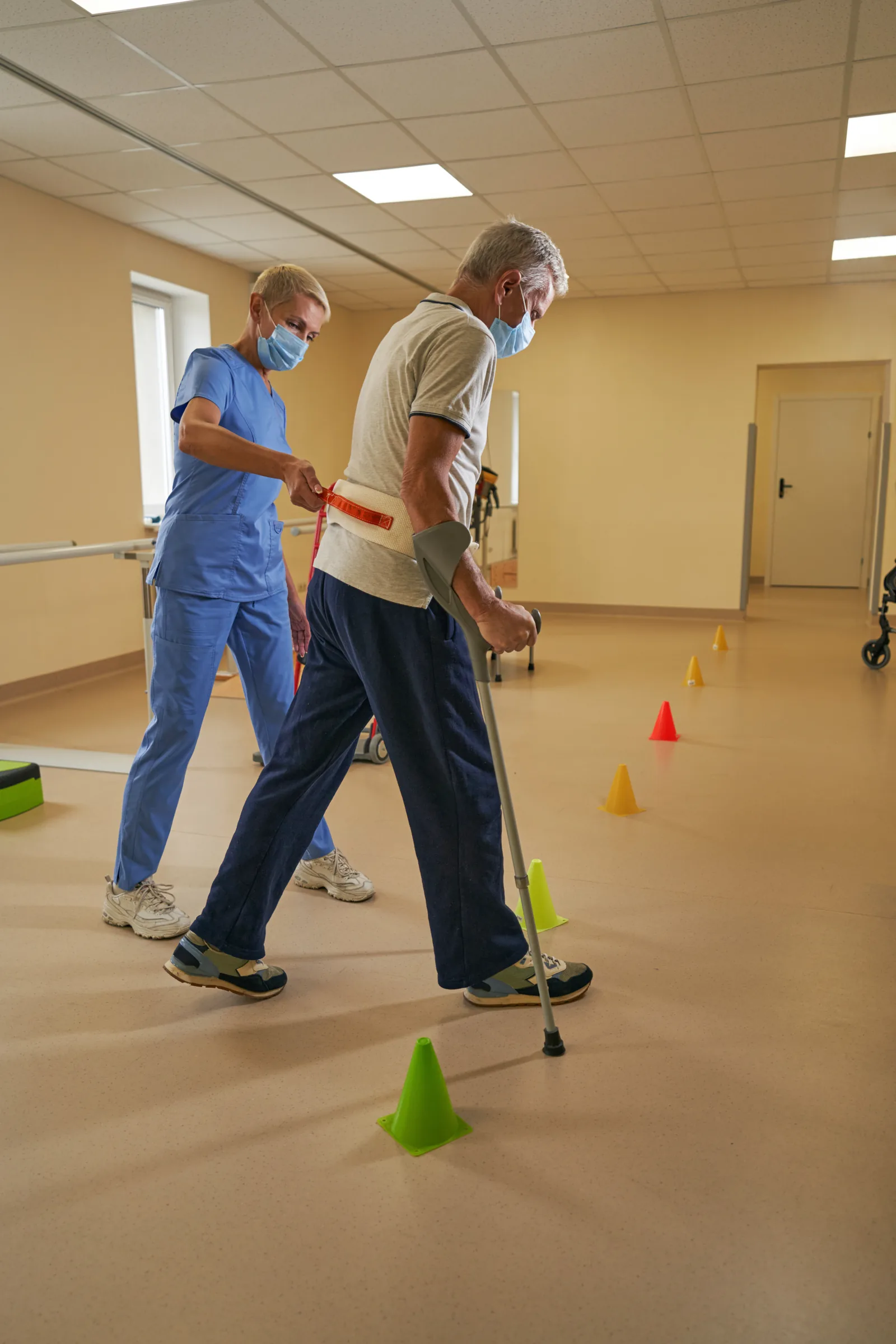
Most clinics treat seniors like smaller, slower adults. They're not. They need a different approach.
Sessions are slower. Breaks are built in. We never rush an older patient through a movement, and we never let them feel hurried. The pace itself is therapeutic.
After one fall, many seniors stop trusting their bodies. We rebuild that trust deliberately, through small, repeated wins, not through pushing through fear. Confidence is the second muscle we train.
Falls happen on stairs, in bathrooms, on cluttered floors. We assess the home environment with the family, recommend specific changes, and train the patient to navigate it confidently.
An older parent's recovery is a family project. We brief adult children on what to watch for, what to encourage, what to never do. Recovery is faster when the family is informed.
A note on standards
If your parent isn’t ready for a programme today, physically or emotionally, we’ll tell you. We’d rather start when the time is right than push something that won’t hold.
Book a geriatric assessmentMost of these problems are treatable, but only with patience, the right protocol, and a clinician who listens.
Vestibular decline, postural sway, unsteady standing or walking.
Risk reduction for seniors who haven't fallen yet, but should worry.
Physical and confidence recovery after a fall, with or without injury.
Slowing gait, reduced walking distance, difficulty with stairs.
Sarcopenia, gradual muscle weakness that affects daily function.
Range-of-motion preservation and pain management without overload.
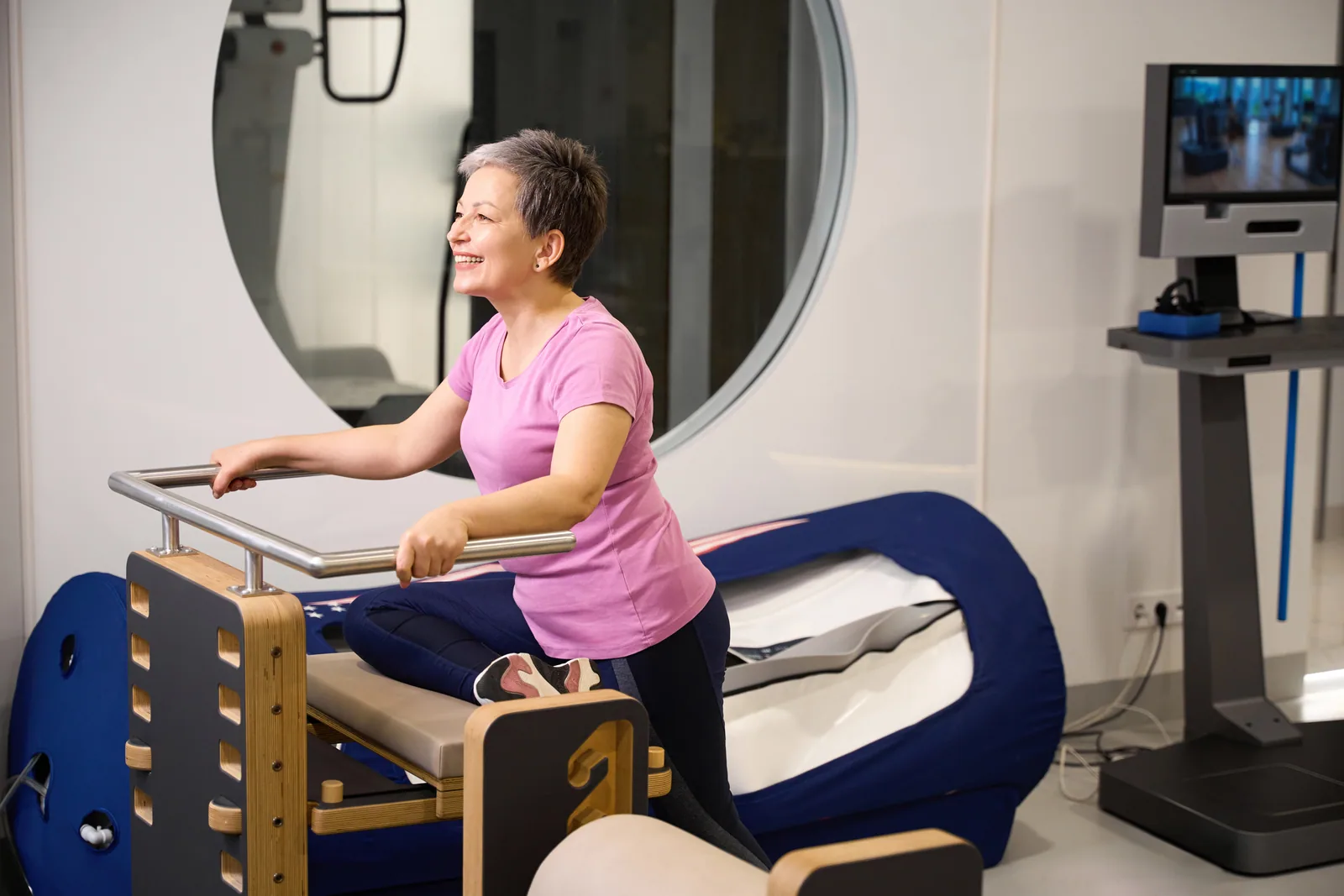
Used selectively, only where it genuinely helps. Most seniors don’t need every machine; they need the right ones.
The single most valuable technology for senior patients. Quantifies balance objectively, identifies specific deficits, and provides graded retraining with visual feedback the patient can see in real time.
Light-based reaction drills calibrated for senior patients. Trains the brain-body reaction time that prevents falls when a foot catches or balance shifts unexpectedly.
For chronic arthritic pain or stubborn joint inflammation that's limiting movement. Used only where conservative therapy isn't enough alone.
Each technology has its own dedicated page, explore our technology →
Calm, paced, and family-inclusive at every stage.

If yours isn’t here, send a message, Dr. Shikha’s team replies personally, usually within one working day.
If their balance has visibly declined, they hold furniture more, walk slower, avoid stairs, yes. Most fall-related injuries in seniors happen on a 'first fall.' Preventive conditioning works dramatically better than post-fall recovery. The best time to start is before something happens.
Don't frame it as therapy. Frame it as an assessment, 90 minutes with Dr. Shikha, who'll tell them what's working and what isn't. Most older adults respond well to information from a respected clinician, less well to family insistence. Book the consult; let her do the convincing.
Sessions are designed around senior energy levels, shorter intensities, regular breaks, and reduced frequency when needed. Most patients feel pleasantly tired, not exhausted. We adjust constantly based on how the patient is responding that day.
No. Strength and balance gains are achievable well into the 80s and 90s, the rate of improvement is slower, but it's real. We've worked with patients in their late 80s who measurably regained walking confidence in 12 weeks. The brain and body adapt at any age.
For most cases, in-clinic sessions are far more effective, better equipment, better supervision, structured environment. We offer Tele-Rehab as a supplement (for between-session check-ins) and home visits in Thane on a case-by-case basis.
Recovery is hard. Regret is harder.
Book a geriatric conditioning assessment for your parent. Or message Dr. Shikha on WhatsApp, she personally responds within one working day.
Strength, balance, and dignity, at any age.