01
Chronic lower back pain
Persistent or recurring back pain lasting more than three months.
Cerebron's approach to chronic and back pain treats the cause, not just the symptom, combining hands-on physiotherapy, shock wave therapy where indicated, and an honest assessment of what is actually driving the pain.

Pain is called chronic when it lasts longer than three months. By that point, it is almost never a single, simple problem.
Chronic pain usually has layers. There may be an original issue, a disc, a joint, a tendon. But over months of moving carefully to avoid pain, the body changes: muscles weaken, posture shifts, other areas overcompensate, and the nervous system itself can become more sensitive to pain signals.
Cerebron's approach is different. The first session is diagnostic: identifying every contributing factor, the original injury, the compensations, the weaknesses, the postural changes. Only then does treatment begin, addressing the full picture rather than chasing the pain.
Chronic pain takes many forms. These are the conditions we most commonly help patients with.
Persistent or recurring back pain lasting more than three months.
Postural neck pain, cervical stiffness, and related tension headaches.
Radiating leg pain, disc-related symptoms, and nerve irritation.
Osteoarthritic pain in the knees, hips, hands, and shoulders.
Tennis elbow, plantar fasciitis, Achilles, and other tendon pain.
Complex regional pain syndrome, careful, specialised, patient-led therapy.

Most clinics treat where it hurts. We treat what is causing it.
The first session is diagnostic. Dr. Shikha identifies the true source, and the compensations built on top of it, before any treatment begins.
Manual therapy, joint mobilisation, posture correction, and targeted strengthening, addressing the cause, not just the painful area.
For chronic tendinopathy and stalled soft-tissue pain, ESWT can restart healing that has plateaued, used as part of a plan, never as a quick fix.
Chronic pain can flare. We teach the exercises, posture, and strategies that keep you in control long after therapy ends.
Used clinically, to accelerate specific outcomes, never as a substitute for proper therapy:
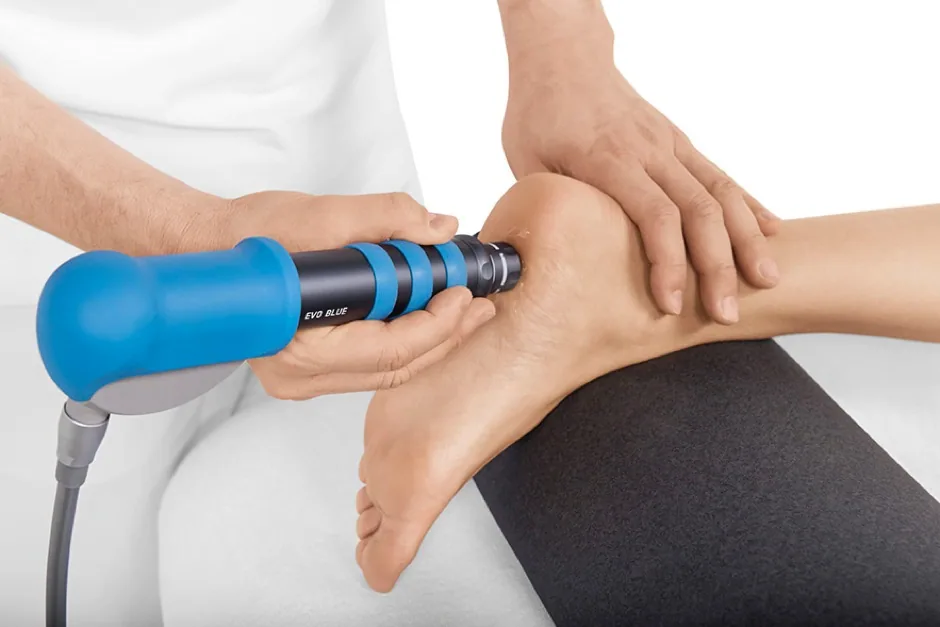 01 · ESWT
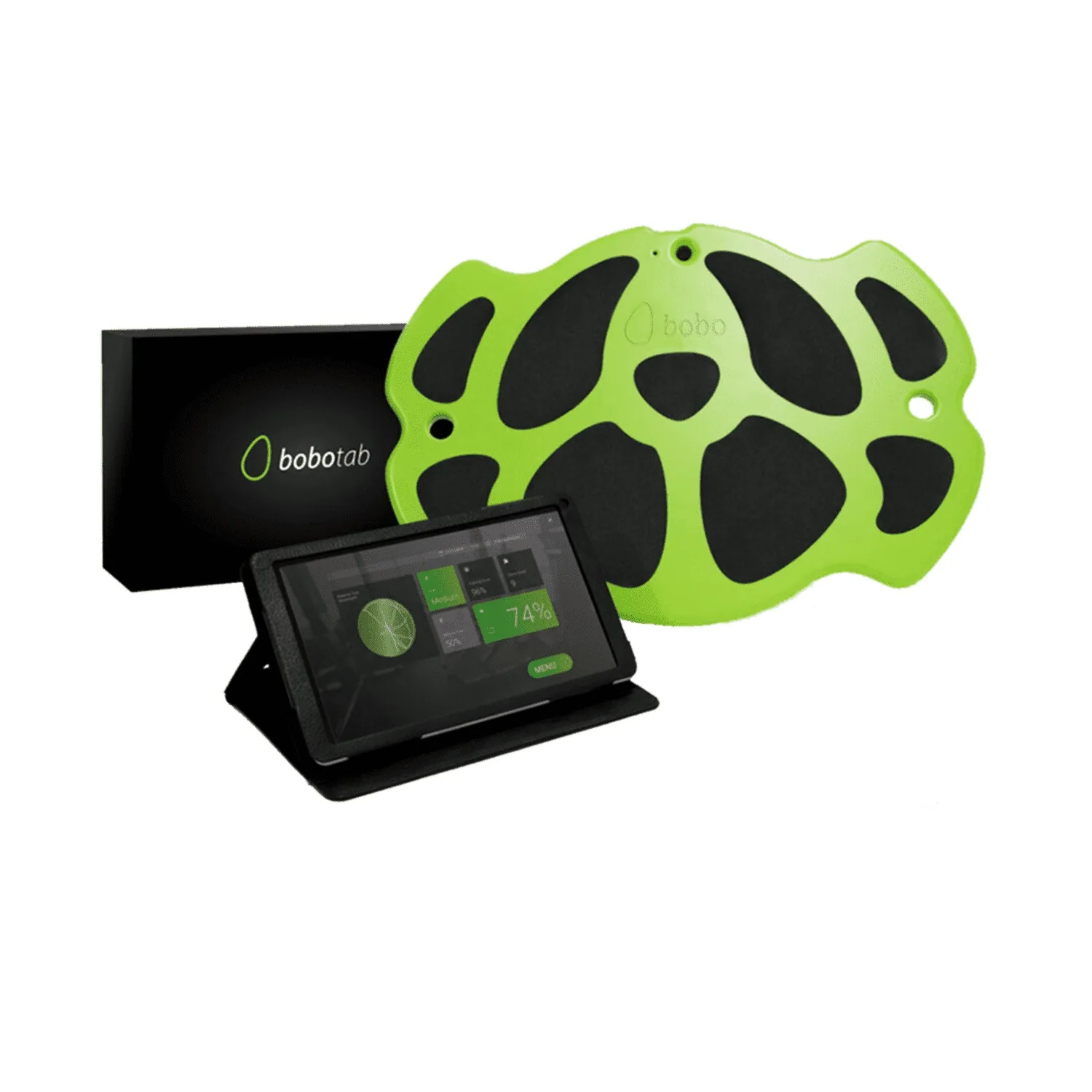 02 · Balance
 03 · Return-to-activity
From diagnostic first visit to self-managed long-term care, every stage is tracked.
A 60–90 minute diagnostic assessment with Dr. Shikha. Full history, movement analysis, pain mapping, and a written, phased treatment plan.
45–60 minutes, 2–3 times per week initially. Manual therapy, targeted exercise, and ESWT where indicated, progressively self-managed.
Acute pain often eases within 2–6 weeks. Chronic pain typically takes 6–12 weeks for substantial improvement, then ongoing self-management.
A formal review every four weeks with Dr. Shikha, pain scores, function, and range of motion tracked, with the plan adjusted to results.
If yours isn't here, send a message, Dr. Shikha's team replies personally, usually within one working day.
Recovery is hard. Regret is harder.
The first session is diagnostic. By the end of it, you will know what we are actually treating. Book an assessment with Dr. Shikha, bring your scans and reports, and she will evaluate the cause and give you a clear, honest plan.