01
Loss of movement
Partial or complete loss of voluntary movement below the injury level.
Spinal cord injury rehabilitation at Cerebron focuses on what can be restored, what can be adapted, and what independence can be rebuilt, led personally by Dr. Shikha, an MPT in Neurological Sciences.
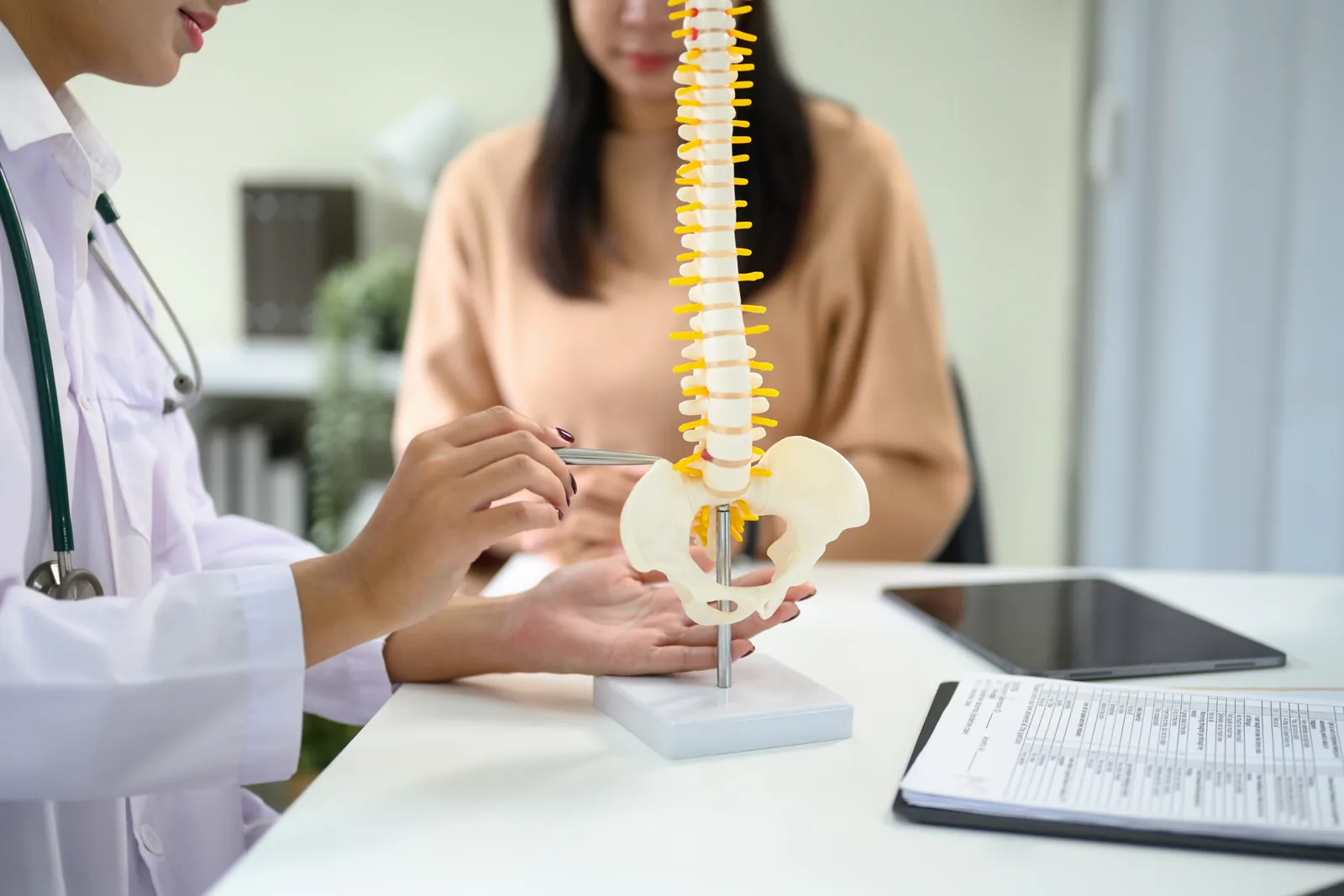
The spinal cord is the body's main communication line, it carries signals between the brain and the rest of the body. When it is damaged by injury, those signals are interrupted below the point of damage.
The effect depends on two things: where the injury occurred along the spine, and whether it is complete (all signals lost) or incomplete (some signals preserved). A higher injury affects more of the body; an incomplete injury leaves more potential for recovery.
Both matter. Both are part of a Cerebron spinal cord rehabilitation programme, and both are built around the specific patient, never a generic protocol.
Spinal cord injury affects far more than movement. We assess and address the full picture.
Partial or complete loss of voluntary movement below the injury level.
Reduced or absent sensation, requiring careful skin and safety management.
Weakening of muscles from disuse, addressed through targeted strengthening.
Involuntary muscle tightness and spasms that affect comfort and movement.
Trunk control and seated or standing balance, depending on injury level.
Difficulty with daily tasks, a central focus of functional rehabilitation.
Bladder, bowel, and other medical aspects are managed with the patient's treating specialists, so care stays integrated across the team.
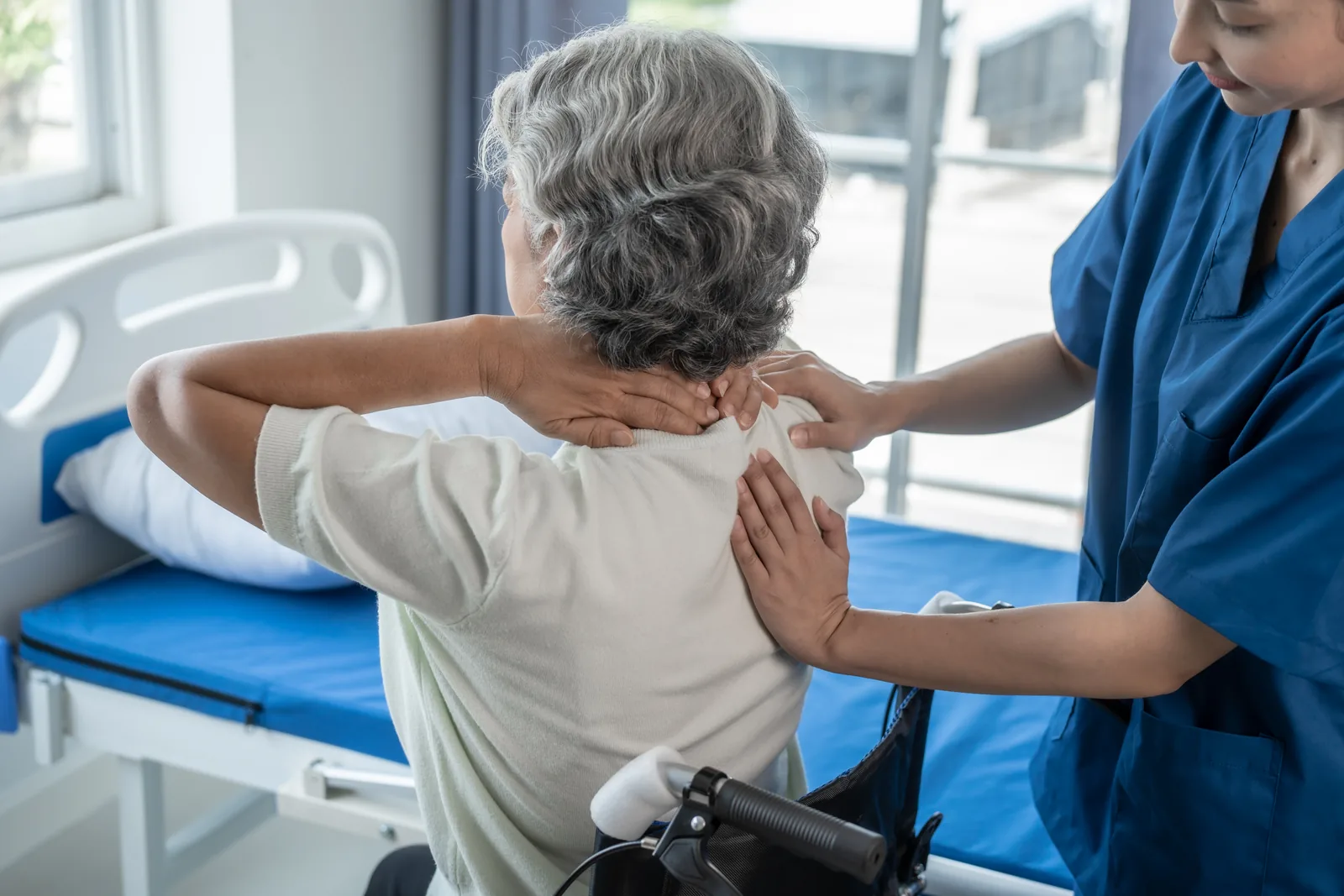
Recovery and adaptation are not opposites. A good programme pursues both at once.
Dr. Shikha evaluates the injury level, completeness, preserved function, and daily-life impact, then builds a plan matched to what is realistically achievable.
For incomplete injuries especially, therapy works to strengthen preserved nerve pathways through repetition-based, technology-supported training.
Beyond movement, we train the practical skills of daily life, transfers, posture, strength, technique, that determine real independence.
Spinal cord recovery is long-term. We train families thoroughly so support at home is informed, safe, and confident.
Depending on injury level and preserved function, recovery may be supported by:
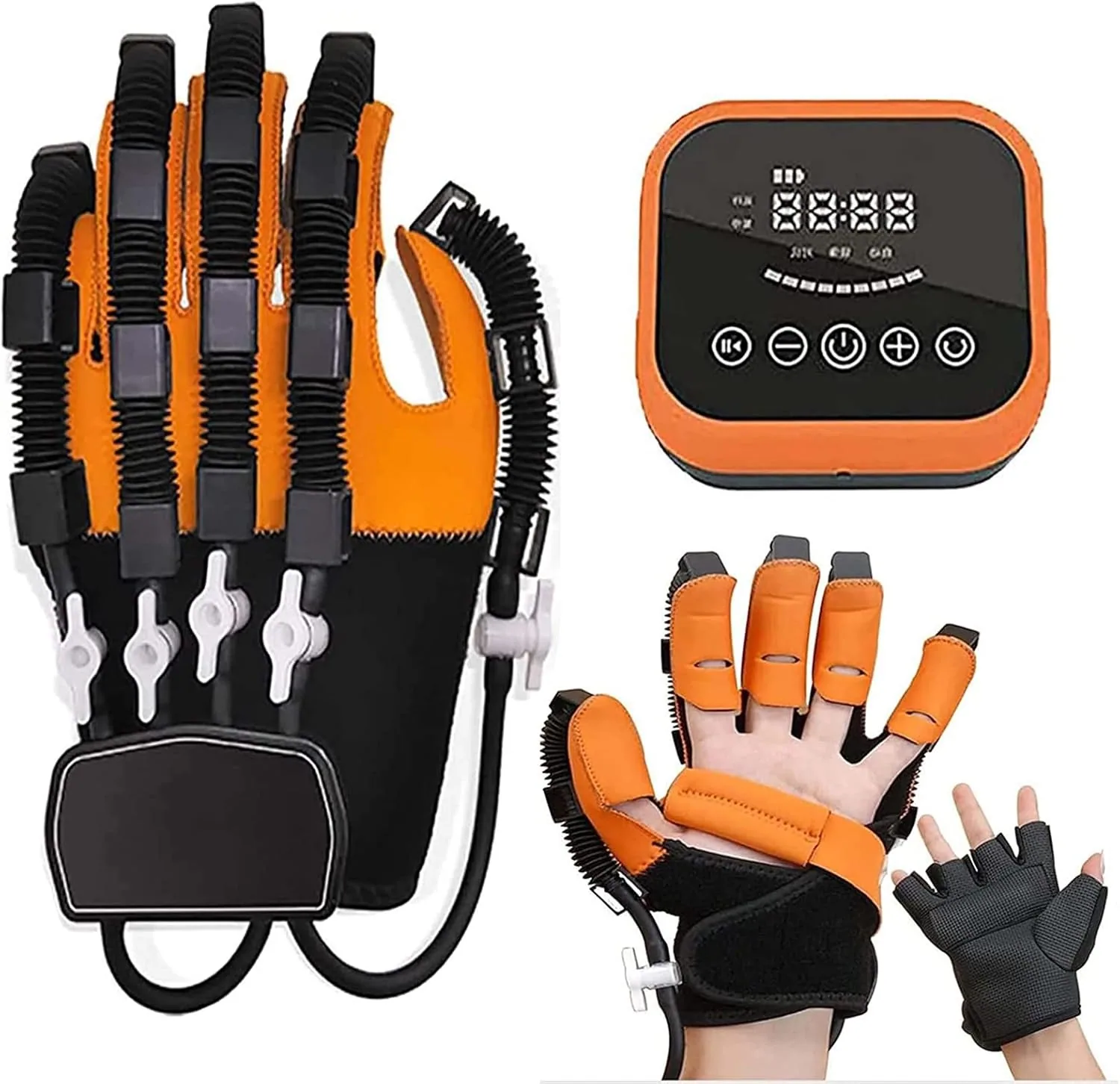 01 · Hand function
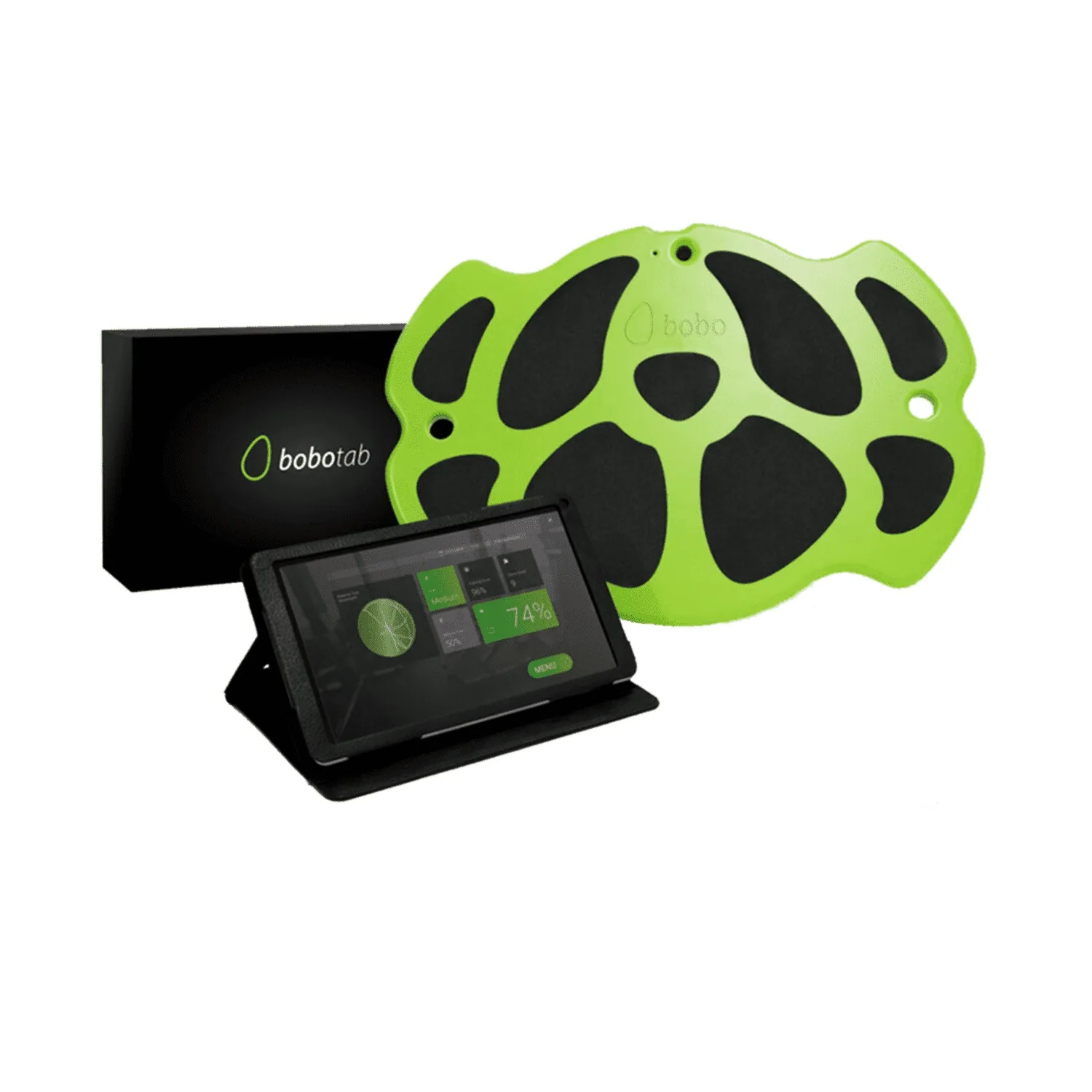 02 · Trunk & balance
 03 · Upper-body
From first visit to documented progress, every stage is paced and reviewed.
A 60–90 minute assessment with Dr. Shikha. Evaluation of injury level, preserved function, goals, and a written rehabilitation plan.
45–60 minutes, frequency set by phase and goals. Strengthening, functional training, and technology-assisted work, always supervised.
Spinal cord rehabilitation is long-term. Incomplete injuries often show gains over many months; the focus is steady, measured progress.
A formal review every four weeks with Dr. Shikha, with documented progress and adjustments to goals and methods.
If yours isn't here, send a message, Dr. Shikha's team replies personally, usually within one working day.
Recovery is hard. Regret is harder.
What can be restored, we pursue. What must be adapted, we rebuild around. Book an assessment with Dr. Shikha, she will evaluate the injury personally, explain what is realistically achievable, and give you a clear plan.