The wiring, not just the muscle.
When a stroke damages the part of the brain that controls speech, or when SCI cuts off communication between brain and legs, the muscles often work fine. The wiring doesn’t.
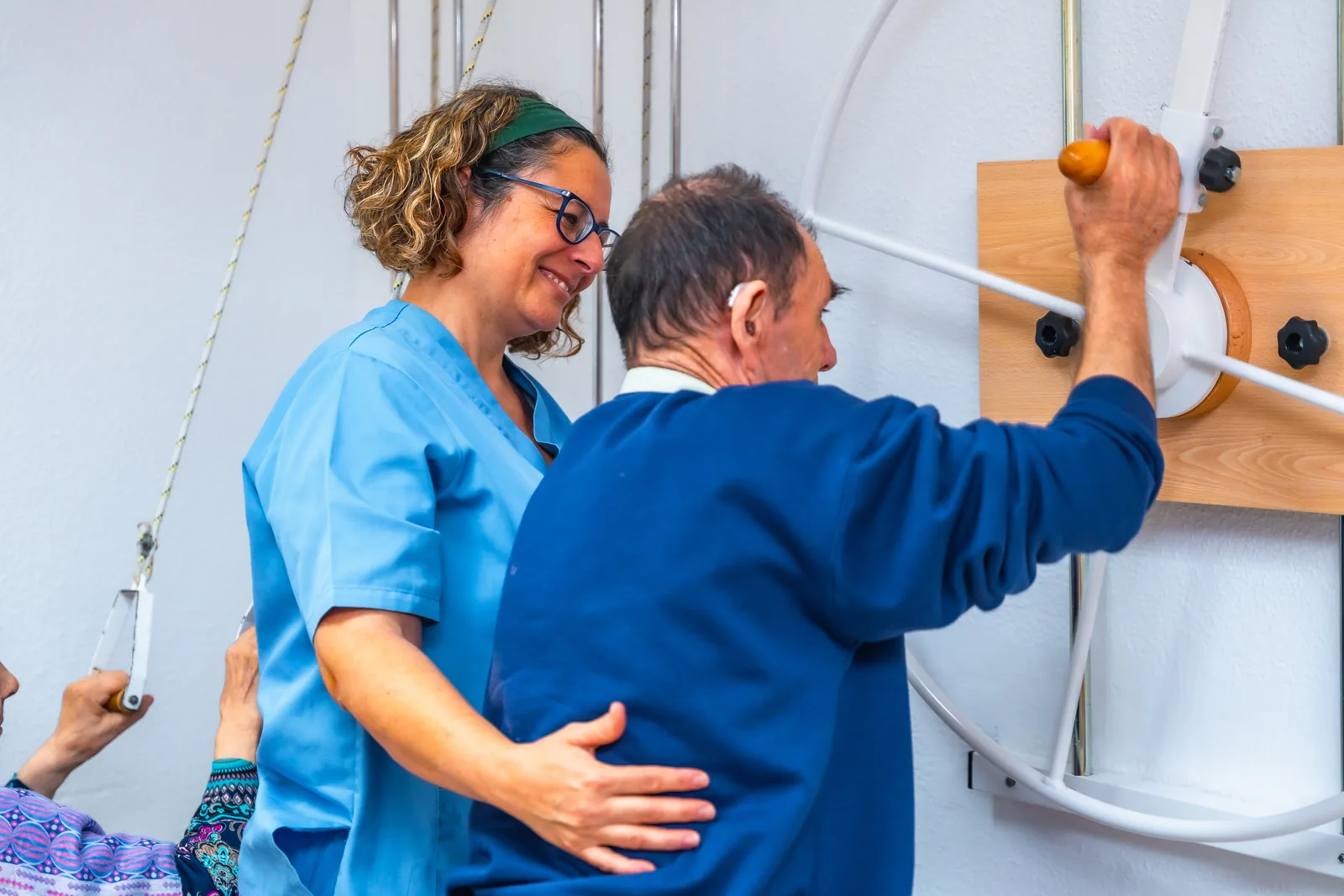
Cerebron’s flagship service, specialised neuro-rehabilitation led by Dr. Shikha, MPT in Neurological Sciences, supported by Robotic Gloves, virtual balance training, and reactive cognitive-motor systems.
Now consulting
Cerebron’s flagship service
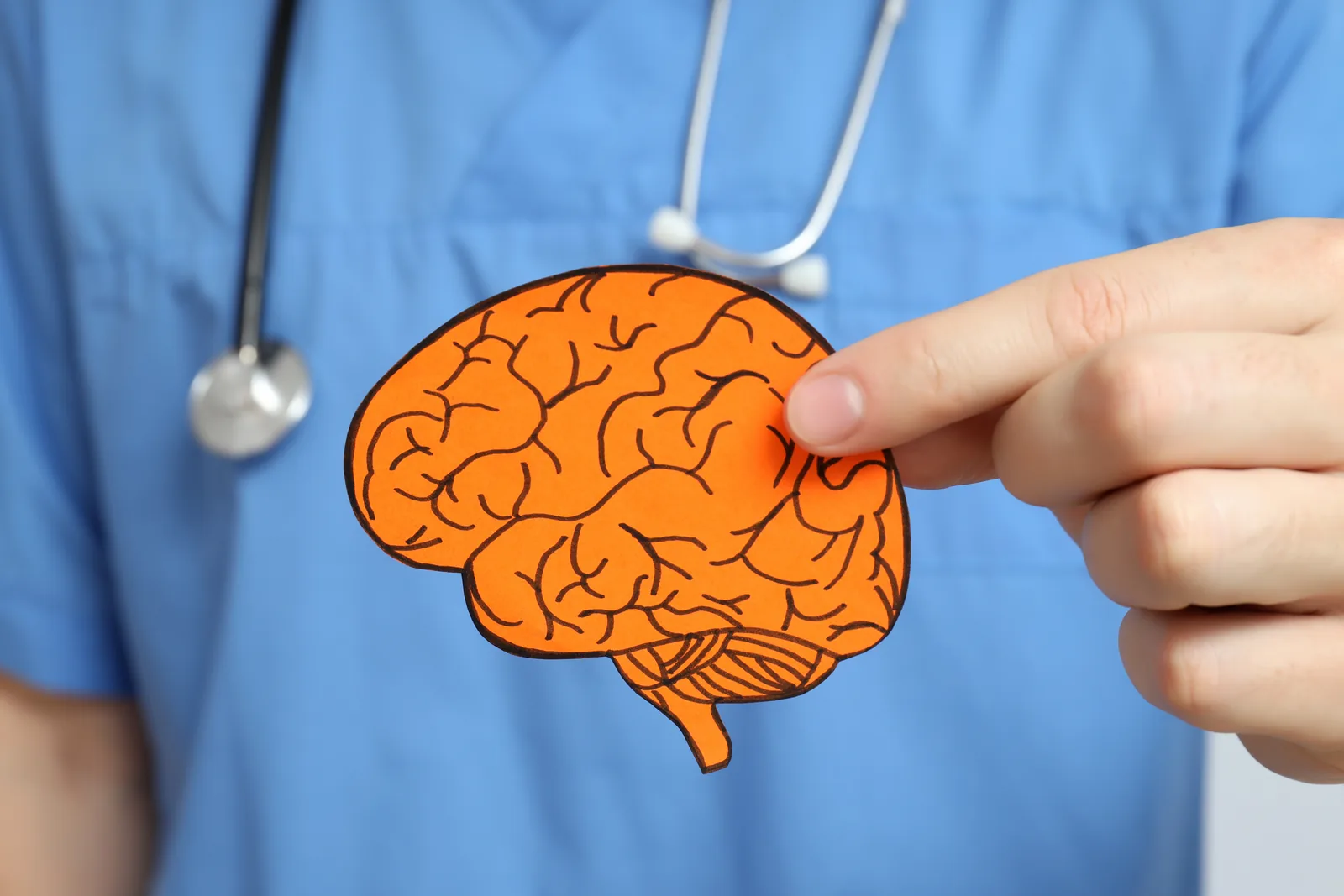
Targeted, sequenced therapy that rebuilds the wiring, not just the muscle.
Neurological rehabilitation is therapy for patients whose injury or condition affects the nervous system, the brain, the spinal cord, or the nerves that connect them to the body.
When a stroke damages the part of the brain that controls speech, or when SCI cuts off communication between brain and legs, the muscles often work fine. The wiring doesn’t.
Through targeted, sequenced therapy, we help the brain form new neural pathways, what neuroscientists call neuroplasticity. We help the body relearn what the brain forgot how to send.
It’s the work Cerebron exists for. Each plan is sequenced for the patient in front of us, not pulled off a shelf.
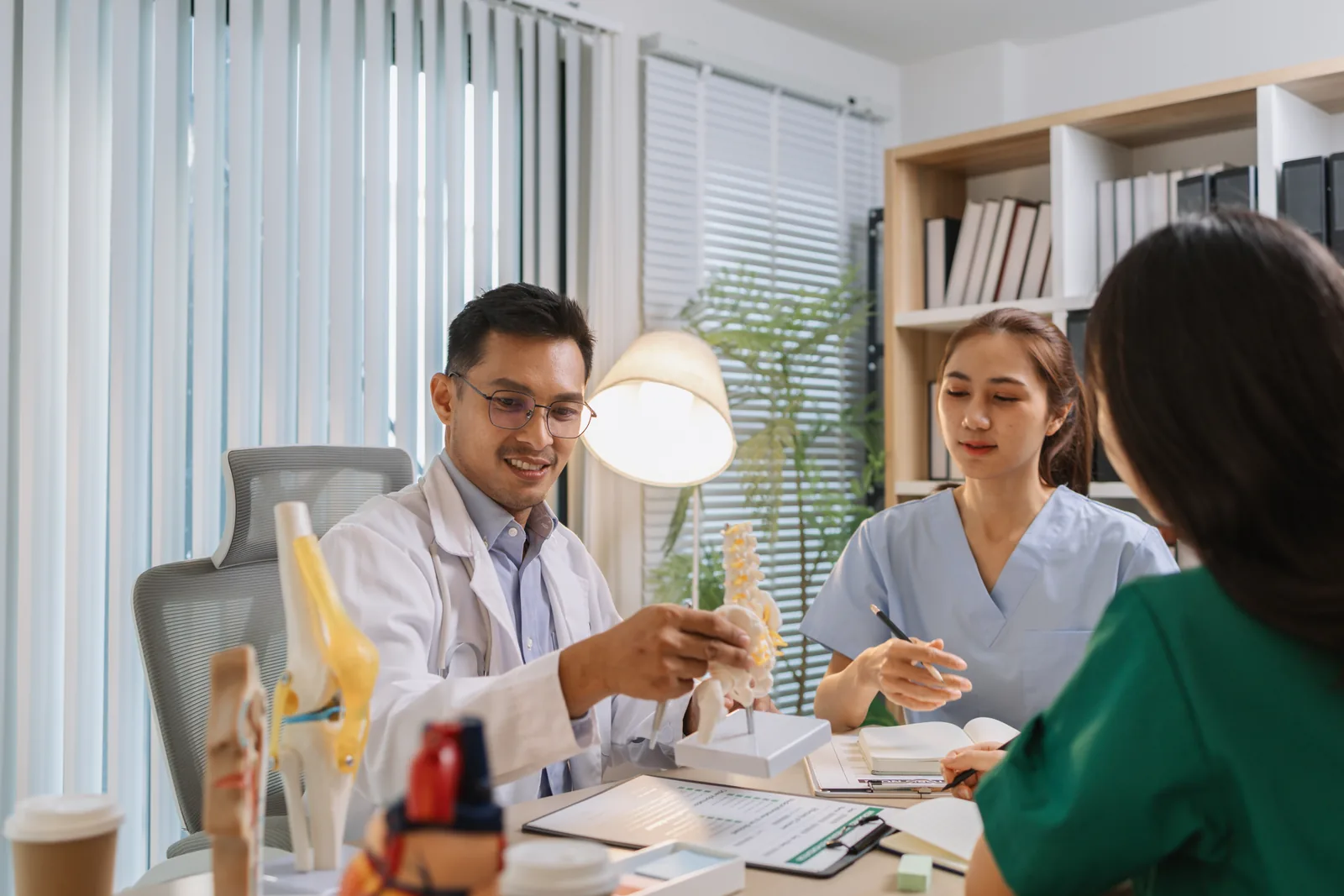
Dr. Shikha holds an MPT in Neurological Sciences. Every neuro plan starts with her, is built by her, and is reviewed by her every four weeks.
Recovery is hard. Regret is harder.
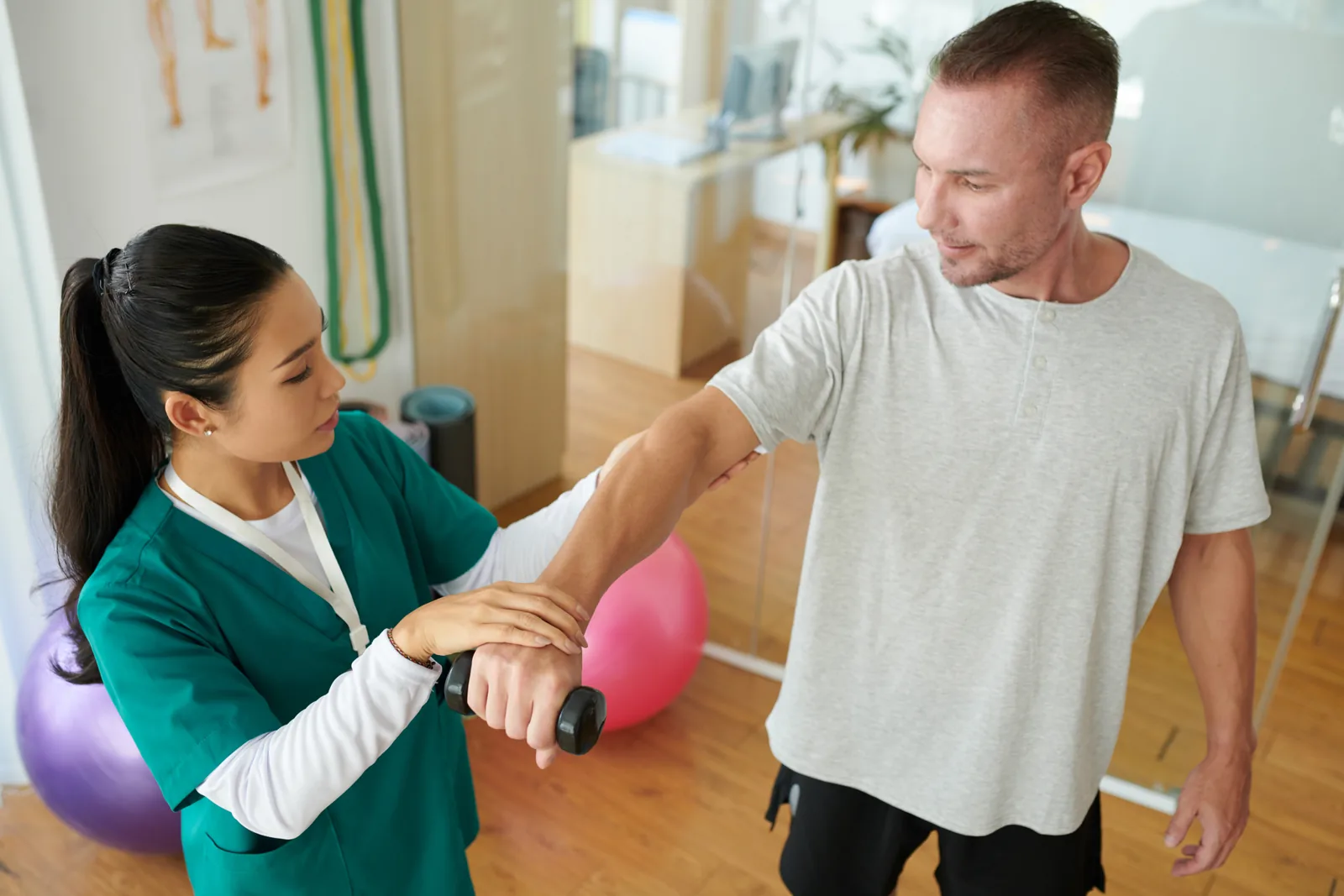
Four principles, no shortcuts. Neuro-rehabilitation is built on what the brain actually responds to, not what fits a schedule.
Dr. Shikha holds a Master's in Physiotherapy with specialisation in Neurological Sciences, a credential most clinics don't have. Every neuro-rehab plan at Cerebron starts with her, is built by her, and is reviewed by her every four weeks.
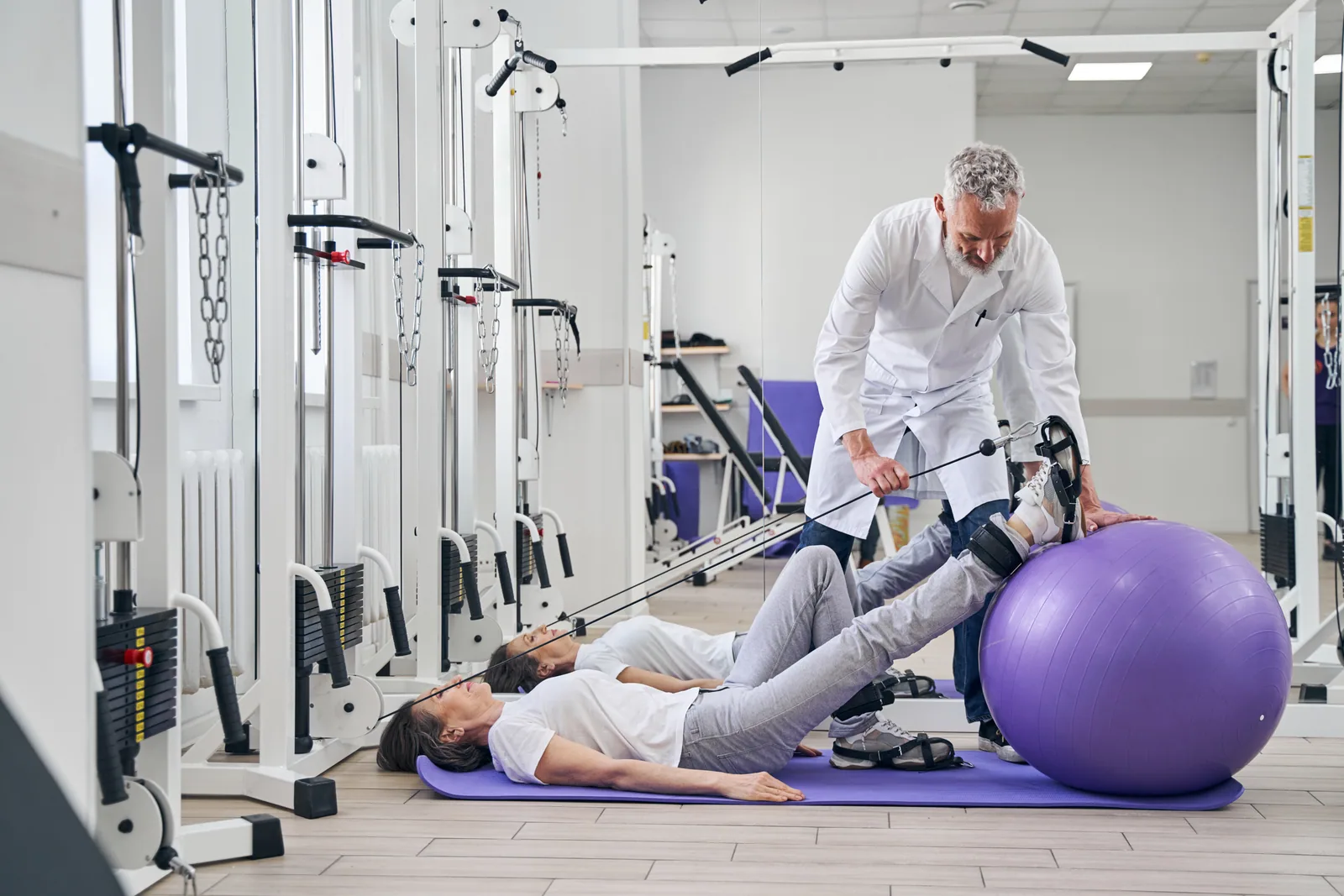
Robotic Gloves for severely weakened hands. Virtual balance training for fall-prone patients. BlazePod for cognitive-motor reconnection. These aren't gimmicks, each accelerates a specific recovery that hands alone can't reach.
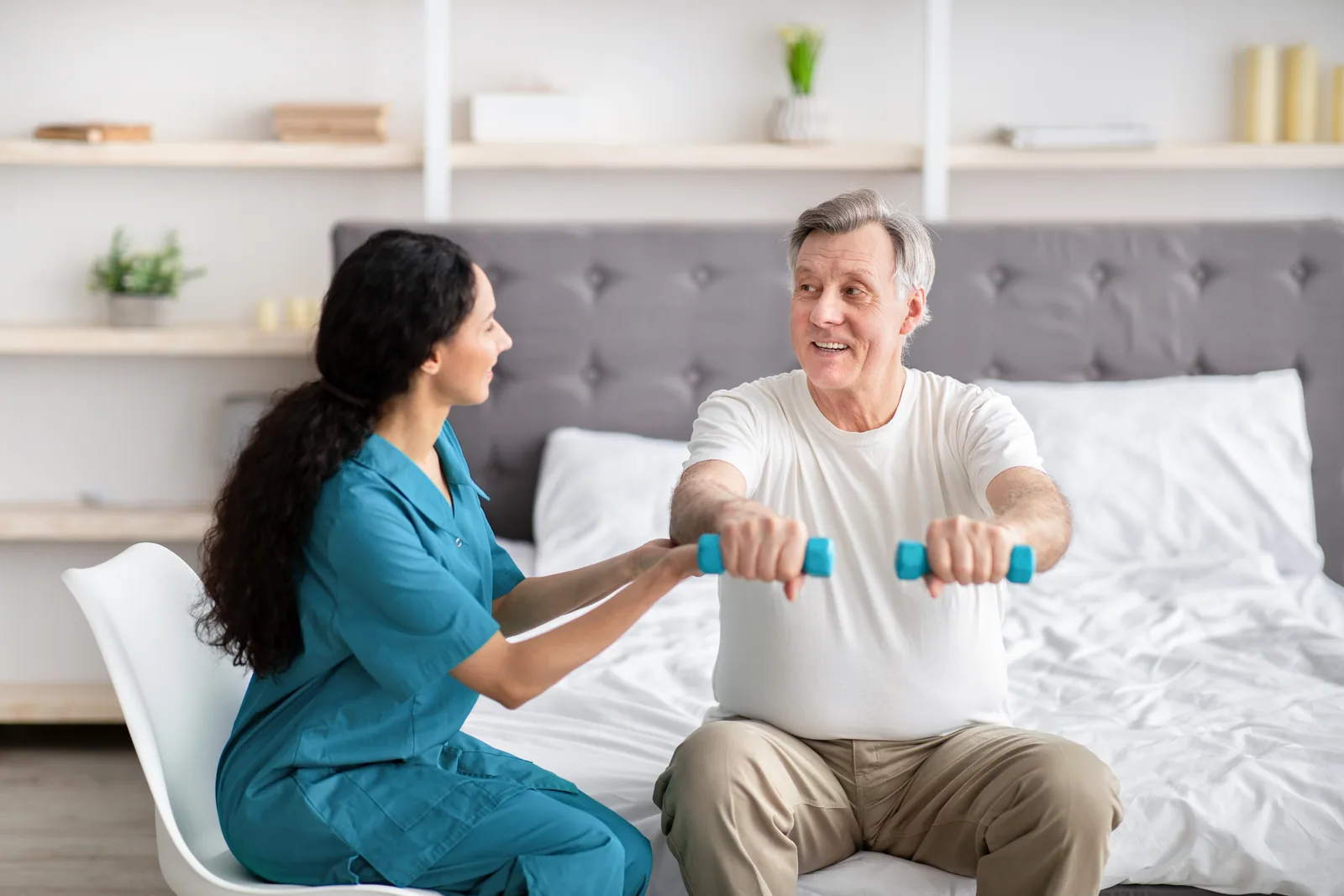
For most neurological conditions, the family becomes the long-term care team. We train them. We brief them. We don't send them home with a printed exercise sheet and say 'good luck.'
Recovery from a major stroke can take 3–6 months. SCI rehabilitation is often longer. We don't pretend otherwise. What we promise is a clear plan, tracked progress, and adjustments that make sense.
A note on standards
If neuro-rehab here isn’t the right fit for your case, we’ll tell you, honestly, before the first treatment. The plan should serve the patient, never the other way around.
Book an honest assessmentEach condition gets its own protocol. Each protocol is built around the patient, not pulled off a shelf.
Re-training movement, speech, and balance after ischemic or hemorrhagic stroke.
Recovery after head injury, accident, or fall-related brain trauma.
Mobility, function, and independence after partial or complete SCI.
Lifelong support for children and adults with CP, movement, posture, daily function.
Symptom management, mobility preservation, and fatigue strategy for MS patients.
Movement, balance, and quality-of-life therapy for Parkinson's patients at every stage.
Three of our four core technologies are used heavily in neuro cases. Here’s where each fits.
For patients with significantly weakened hands and fingers after stroke or spinal cord injury. The glove guides finger movement through repetition the patient couldn't achieve alone, and over time, the brain re-learns the patterns of grip, release, and dexterity.
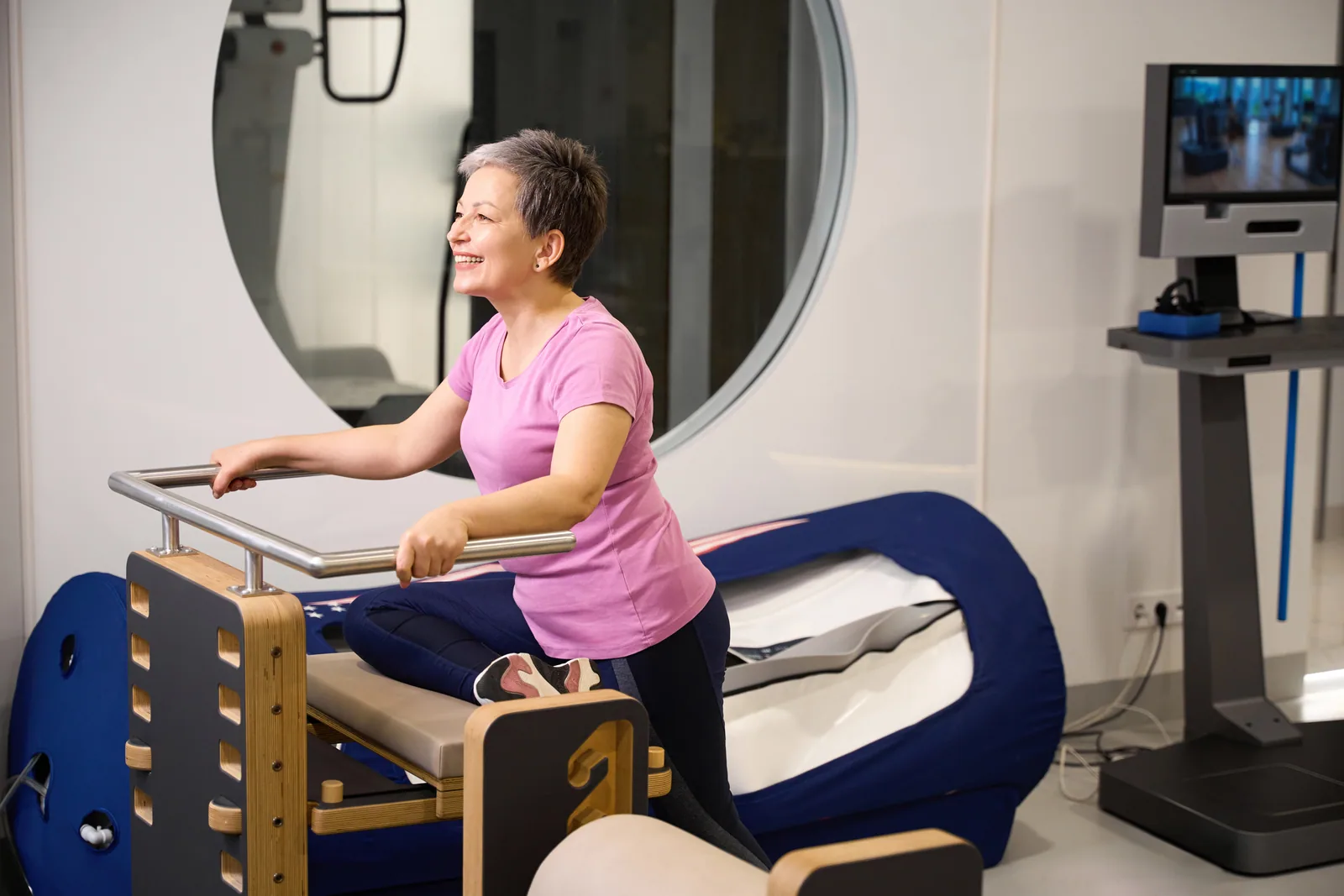
Data-driven balance assessment and training. Especially valuable for patients with vestibular involvement, post-stroke balance issues, or high fall risk.
Light-based cognitive-motor drills that rebuild the brain-body connection in real time. Critical for post-stroke patients regaining reaction speed and coordination.
Each technology has its own dedicated page, explore our technology →
From assessment to progress tracking, every session follows a structured clinical system.
If yours isn’t here, send a message, Dr. Shikha’s team replies personally, usually within one working day.
Ideally within the first few weeks of medical clearance. The brain's ability to form new neural pathways, neuroplasticity, is highest in the first 3–6 months after a stroke. The earlier we start, the more recovery is possible.
Yes, and we recommend it. Speech and movement use overlapping brain regions, and recovery often progresses together. The treatment plan will include both, sequenced based on what's most pressing for your parent's daily life.
No. Even months or years after a stroke, targeted neuro-rehab can recover function. The window for major change is widest in the first year, but the brain remains capable of adaptation for life. We've worked with patients 5+ years post-stroke who made meaningful gains.
Paediatric neuro cases are some of the most rewarding, and most demanding. Book an assessment. Dr. Shikha evaluates the child personally, discusses goals with the family, and gives you an honest read on what therapy here would and wouldn't do. No pressure.
No. Robotic Gloves are supportive, the glove gently guides the fingers through correct patterns of movement the patient can't yet manage alone. Most patients describe it as effortful and unusual, not painful. We calibrate intensity to patient tolerance and progress gradually.
Recovery is hard. Regret is harder.
Book a neuro-rehab assessment with Dr. Shikha. Or ask us anything via WhatsApp, she personally responds within one working day.
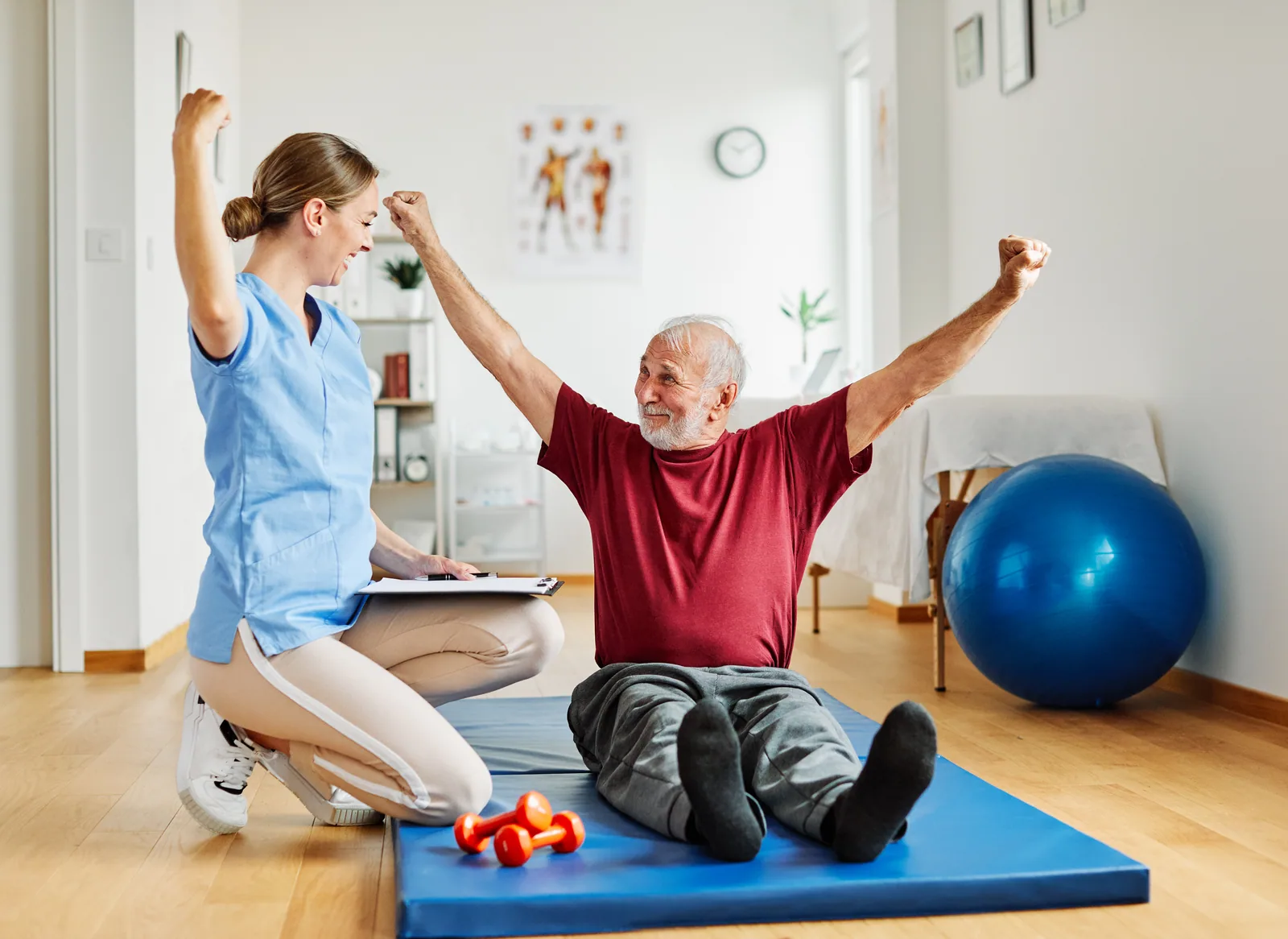
Recovery, rebuilt pathway by pathway.