01
Developmental delays
Not meeting movement milestones for sitting, crawling, standing, or walking.
Cerebron's paediatric rehabilitation supports children with developmental delays, movement challenges, and related conditions, expert, play-based therapy led personally by Dr. Shikha, an MPT in Neurological Sciences.

Children develop movement and motor skills along a broadly predictable path, rolling, sitting, crawling, standing, walking, and on to finer and more complex skills. When a child does not follow that path as expected, it can signal a developmental or movement condition that benefits from professional support.
These conditions are wide-ranging. Some children have a specific diagnosis such as cerebral palsy or a neuromuscular condition. Others have developmental delays, coordination difficulties, or movement challenges without a single clear label.
This is why 'wait and see' is not always the right advice. An assessment costs nothing in certainty and can gain a great deal. Cerebron's role is to evaluate honestly, support development expertly, and give every child the strongest possible foundation.
Every child is assessed individually. These are the areas we most commonly help with.
Not meeting movement milestones for sitting, crawling, standing, or walking.
Movement, posture, and functional support across all types of CP.
Dyspraxia and motor-planning challenges affecting everyday movement.
Muscular dystrophy and related conditions affecting childhood movement.
Rehabilitation after paediatric fractures, surgery, or accidents.
Torticollis and early movement or posture concerns, ideally caught early.
Care is coordinated with paediatricians, neurologists, and other specialists where needed, so therapy stays integrated across the team.

A child is not a small adult. Their therapy cannot be a smaller version of adult care.
Dr. Shikha evaluates the child's movement, motor skills, and developmental stage, building a plan around that specific child, not a diagnosis label.
Every session is designed around play, but each activity targets a specific motor skill or developmental goal. The child plays; we measure the therapy.
We tell families clearly what therapy can substantially improve and what it can optimise, without false hope, and without dismissing real potential.
Children spend most of their time with family. We train parents thoroughly, so progress continues every day between sessions.
Used selectively and age-appropriately, technology can make children's therapy more effective and more engaging:
 01 · Engagement
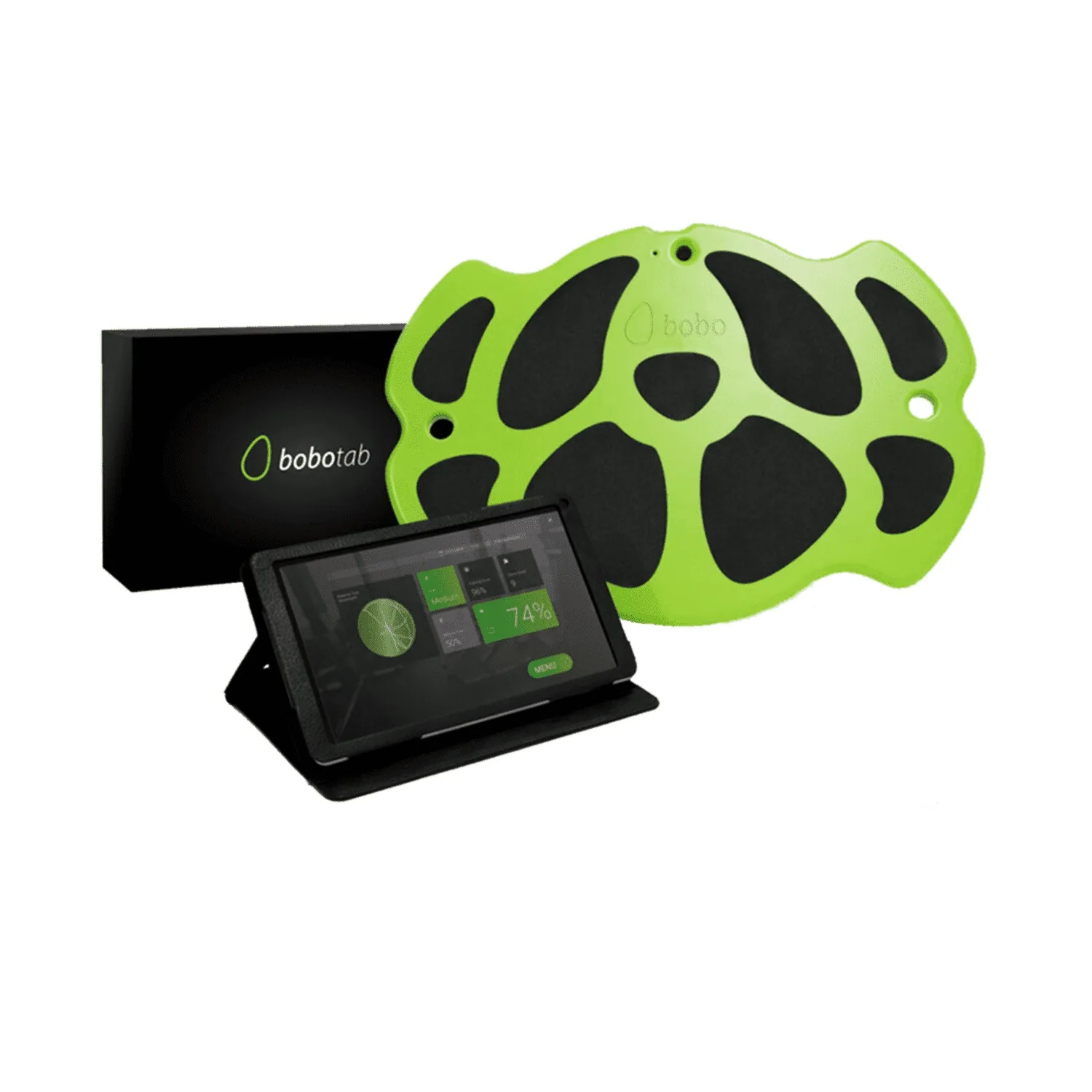 02 · Balance
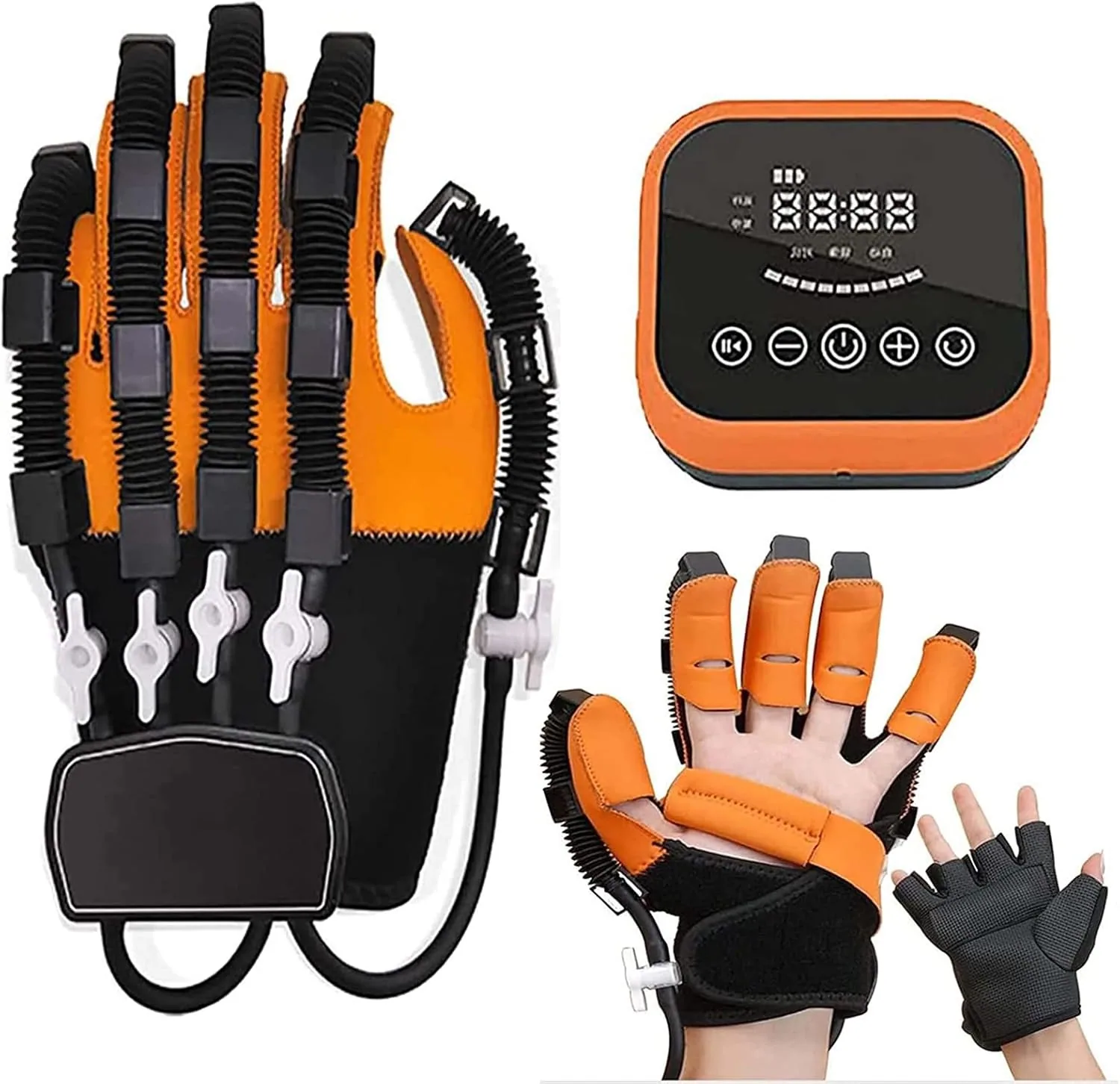 03 · Hand function
From paced first visit to long-term review, every stage is family-inclusive.
A 75–90 minute assessment with Dr. Shikha. Developmental and motor evaluation, with realistic, age-appropriate goals set with the family.
30–45 minutes, child-paced. Play-based, goal-focused therapy, always supervised, with a parent welcome in the room.
Initial gains are often visible within 6–8 weeks. Longer programmes are reassessed every 12 weeks as the child develops.
A formal review every four weeks with Dr. Shikha, parents present, progress documented, and goals updated as the child grows.
If yours isn't here, send a message, Dr. Shikha's team replies personally, usually within one working day.
Recovery is hard. Regret is harder.
The earlier the start, the bigger the difference. That is the part most families wish they had known sooner. Book an assessment with Dr. Shikha, she will evaluate your child personally, explain what she sees, and build a plan with your family.